and And, even, also, namely. καί, conj., and. Copulative. Connecting single words; in general: Mt 2:18 16:1, Mk 2:15, Lk 8:15, He 1:1, al. mult.; repeated before each of the terms in a series, Mt 23:23, Lk 14:21, Ro 7:12 9:4, al.; connecting numerals (WM, § 37, 4): Jo 2:20, Ac 13:20; joining terms which are not mutually exclusive, as the part with the whole: Mt 8:33 26:59, Mk 16:17, Ac 5:29, al. Connecting clauses and sentences: Mt 3:12, Ac 5:21, al. mult.; esp. where, after the simplicity of the popular language, sentences are paratactically joined (WM, § 60, 3; M, Pr., 12; Deiss., LAE, 128 ff.): Mt 1:21 7:25, Mk 9:5, Jo 10:3, al.; joining affirmative to negative sentences: Lk 3:14, Jo 4:11, III Jo 10; consecutive, and so: Mt 5:15 23:32, He 3:19, al.; after imperatives, Mt 4:19, Lk 7:7, al.; = καίτοι, and yet: Mt 3:14 6:26, Mk 12:12, Lk 18:7 (Field, Notes, 72), I Co 5:2, al.; beginning an apodosis (= Heb. וְ; so sometimes δέ in cl.), then: Lk 2:21 7:12, Ac 1:10; beginning a question (WM, § 53, 3a): Mk 10:26, Lk 10:29, Jo 9:36. Epexegetic, and, and indeed, namely (WM, § 53, 3c): Lk 3:18, Jo 1:16, Ac 23:6, Ro 1:5, I Co 3:5, al. In transition: Mt 4:23, Mk 5:1, 21, Jo 1:19, al.; so, Hebraistically, καὶ ἐγένετο ( וַיְהִי; also ἐγένετο δέ ), Mk 1:9 (cf. Lk 5:1; V. Burton, §§ 357-60; M, Pr., 14, 16). καὶ... καί, both... and (for τε... καί, v.s. τε ); connecting single words: Mt 10:28, Mk 4:41, Ro 11:33, al.; clauses and sentences: Mk 9:13, Jo 7:28, I Co 1:22, al. Adjunctive, also, even, still: Mt 5:39, 40, Mk 2:28, al. mult.; esp. c. pron., adv., etc., Mt 20:4, Jo 7:47, al; ὡς κ., Ac 11:17; καθὼς κ., Ro 15:7; οὕτω κ., Ro 6:11; διὸ κ., Lk 1:35; ὁ κ. (Deiss., BS, 313ff.), Ac 13:9; pleonastically, μετὰ κ.. (Bl., §77, 7; Deiss., BS, 265 f,), Phl 4:3; τί κ., 1 Co 15:29; ἀλλὰ κ., Lk 14:22, Jo 5:18, al.; καίγε (M, Pr., 230; Burton, § 437), Ac 17:27; καίπερ, He 5:8; κ. ἐάν, v.s. ἐάν. Scroll for more
then Then, at that time. τότε, demonstr. adv. of time, correlat. of ὅτε, then, at that time; of concurrent events: Mt 2:17 3:5 and freq., Ro 6:21; seq. ptcp., Mt 2:16, Ga 4:8; opp. to νῦν, Ga 4:29, He 12:26; ὁ τ. κόσμος, II Pe 3:6; of consequent events, then, thereupon: Mt 2:7 3:5 4:1 and freq., Lk 11:26; τ. οὖν, Jo 11:14 19:1, 16 20:8; εὐθέως τ., Ac 17:14; ὅτε... τ., Mt 13:26 21:1, Jo 12:16; ἀπὸ τ., Mt 4:17 16:21 26:16, Lk 16:16; of things future: Mt 24:23, 40 25:1, 31 ff.; opp. to ἄρτι, I Co 13:12; καὶ τ., Mt 7:23, Mk 13:21, Lk 21:27, I Co 4:5, al.; ὅταν... τ., Mt 9:15, Mk 2:20, Lk 5:35, I Th 5:3, al. (more freq. in Mt than in the rest of the NT). Scroll for more
to shine/appear (a) act: I shine, shed light, (b) pass: I shine, become visible, appear, (c) I become clear, appear, seem, show myself as. φαίνω [in LXX for אור hi., ראה ni., etc.;] Act., to bring to light, cause to appear (so most freq. in cl.). Absol., to give light, shine (Hom., Plat., al.): Jo 1:5 5:35, II Pe 1:19, I Jn 2:8, Re 1:16 8:12 18:23 21:23. Pass., to come to light, appear, be manifest: Mt 2:7 13:26 24:27, 30, Lk 9:8, Phl 2:15, He 11:3, I Pe 4:18 (LXX); opp. to ἀφανίζεσθαι, Ja 4:14; c. dat. pers. (Bl. § 54, 4), Mt 1:20 2:13, 19, Mk 16:9; c. nom. pred., Mt 23:27, 28, Ro 7:13, II Co 13:7; id. c. dat. pers., Mt 6:5, 16, 18 (seq. nom. ptcp., but not as in cl.; v. Bl., § 73, 4); impers., Mt 9:33; of the mind and judgment (= δοκεῖ, q.v.), Mk 14:64 (cf. I Es 2:21 ), Lk 24:11.† SYN.: v.s. δοκέω Scroll for more
the/this/who The, the definite article. ὁ, ἡ, τό, the prepositive article ( ἄρθρον προτακτικόν ), originally a demonstr. pron. (so usually in Hom.), in general corresponding to the Eng. definite article. As demonstr. pron. As freq. in Hom., absol., he ( she, it ), his (etc.): Ac 17:28 (quoted from the poet Aratus). Distributive, ὁ μὲν... ὁ δέ, the one... the other: I Co 7:7, Ga 4:22; pl., Ac 14:4, 17:32, Phl 1:16, al.; οἱ μὲν... ἄλλοι δέ, Mt 16:14, Jo 7:12; οἱ μεν̀... ὁ δέ, He 7:21, 23. In narration (without ὁ μὲν preceding), ὁ δέ, but he: Mt 2:14, Mk 1:45, Lk 8:21, Jo 9:38, al. mult. As prepositive article, the, prefixed, to nouns unmodified: ὁ θεός, τὸ φῶς, etc.; to abstract nouns, ἡ σοφία, etc., to pl. nouns which indicate a class, οἱ ἀλώπεκες, foxes, Mt 8:20, al.; to an individual as representing a class, ὁ ἐργάτης, Lk 10:7; c. nom. = voc. in addresses, Mt 11:26, Jo 19:3, Ja 5:1, al.; to things which pertain to one, ἡ χεῖρ, his hand, Mk 3:1; to names of persons well known or already mentioned; usually to names of countries (originally adjectives), ἡ Ἰουδαία, etc. To modified nouns: c. pers. pron. gen., μοῦ, σοῦ, etc.; c. poss. pron., ἐμός, σός, etc.; c. adj. between the art. and the noun, ὁ ἀγαθὸς ἄνθρωπος, Mt 12:35; the noun foll. by adj., both c. art., ὁ ποιμὴν ὁ καλός, Jo 10:11 (on ὁ ὄχλος πολύς, Jo 12:9, v. M, Pr., 84); before adjectival phrases, ἡ κατ’ ἐκλογὴν πρόθεσις, Ro 9:11. To Other parts of speech used as substantives; neuter adjectives: τ. ἀγαθόν, etc.; cardinal numerals: ὁ εἶς, οἷ δύο, etc.; participles: ὁ βαπτίζων (= ὁ Βαπτιστής, Mt 14:2 ), Mk 6:14; πᾶς ὁ, c. ptcp., every one who, etc.; adverbs: τὸ πέραν, τὰ νῦν, ὁ ἔσω ἄνθρωπος; infinitives: nom., τὸ θέλειν, Ro 7:18, al.; gen., τοῦ, after adjectives, ἄξιον τοῦ πορεύεσθαι, I Co 16:4; verbs, ἔλαχεν τοῦ θυμιᾶσαι, Lk 1:9; and freq. in a final sense, ἐξῆλθεν ὁ σπείρειν, Mt 13:3 (on the artic. inf., v. Bl., § 71). In the neut. to sentences, phrases or single words treated as a quotation: τὸ Ἐι δύνῃ, Mk 9:23; τὸ ἔτι ἅπαξ, He 12:27; τὸ ἀνέβη, Eph 4:9, al. To prepositional phrases: οἱ ἀπὸ Ἰταλίας, He 13:24; οἱ ἐκ νόμου, Ro 4:14; neut. acc. absol., in adverbial phrases, τὸ καθ’ ἡμέραν, daily, Lk 11:3; τὸ κατὰ σάρκα, as regards the flesh, Ro 9:5. To nouns in the genitive, denoting kinship, association, etc.: ὁ τοῦ, the son of (unless context indicates a different relationship), Mt 10:2, al.; τὰ τοῦ θεοῦ, the things that pertain to God, Mt 16:23; τὰ τῆς εἰρήνης, Ro 14:19 (cf. M, Pr., 81 ff.; Bl, §§ 46, 47). Scroll for more
sign A sign, miracle, indication, mark, token. σημεῖον, -ου, τό [in LXX chiefly for אוֹת;] a sign, mark, token; of that which distinguishes a person or thing from others: Mt 26:48, Lk 2:12, II Th 3:17 (cf. Deiss., LAE, 153 2 ); seq. gen. epexeg., Ro 4:11; c. gen. obj., Mt 24:8, 30, II Co 12:12; c. gen. subj., Mt 16:3; a sign of warning or admonition: Mt 12:39 16:4, Lk 2:34 11:29, 30, I Co 14:22; a sign portending future events (Soph., Plat. al.): Mk 13:4, Lk 21:7, 11, 25, Ac 2:19, Re 12:1, 3 15:1; of miracles and wonders (MM, xxii), regarded as signs of a divine authority: Mt 12:38, 39 16:1, 4, Mk 8:11, 12 Lk 11:16, 29 23:8, Jo 2:11, 18, 23 4:54 6:30 10:41 12:18, Ac 4:16, 22; pl., Mk 16:[17, 20], Jo 2:11, 23 3:2 6:2, 14, 26 7:31 9:16 11:47 12:37 20:30, Ac 8:6, I Co 1:22 (Lft., Notes, 162); the same ascribed to false teachers and demons: Mt 24:24, Mk 13:22, II Th 2:9, Re 13:13, 14 16:14 19:20; σ. καὶ τέρατα ( τ. καὶ σ.; cf. Tr., Syn., § xci), Mt 24:24, Mk 13:22, Jo 4:48, Ac 2:19, 43 4:30 5:12 6:8 7:36 14:3 15:12, Ro 15:19, II Th 2:9; id. seq. καὶ δυνάμεις, II Co 12:12, He 2:4; σ. καὶ δυνάμεις, Ac 8:13; δ. καὶ τ. καὶ σ., Ac 2:22; σ. διδόναι, Mt 24:24, Mk 13:22.† Scroll for more
the/this/who The, the definite article. ὁ, ἡ, τό, the prepositive article ( ἄρθρον προτακτικόν ), originally a demonstr. pron. (so usually in Hom.), in general corresponding to the Eng. definite article. As demonstr. pron. As freq. in Hom., absol., he ( she, it ), his (etc.): Ac 17:28 (quoted from the poet Aratus). Distributive, ὁ μὲν... ὁ δέ, the one... the other: I Co 7:7, Ga 4:22; pl., Ac 14:4, 17:32, Phl 1:16, al.; οἱ μὲν... ἄλλοι δέ, Mt 16:14, Jo 7:12; οἱ μεν̀... ὁ δέ, He 7:21, 23. In narration (without ὁ μὲν preceding), ὁ δέ, but he: Mt 2:14, Mk 1:45, Lk 8:21, Jo 9:38, al. mult. As prepositive article, the, prefixed, to nouns unmodified: ὁ θεός, τὸ φῶς, etc.; to abstract nouns, ἡ σοφία, etc., to pl. nouns which indicate a class, οἱ ἀλώπεκες, foxes, Mt 8:20, al.; to an individual as representing a class, ὁ ἐργάτης, Lk 10:7; c. nom. = voc. in addresses, Mt 11:26, Jo 19:3, Ja 5:1, al.; to things which pertain to one, ἡ χεῖρ, his hand, Mk 3:1; to names of persons well known or already mentioned; usually to names of countries (originally adjectives), ἡ Ἰουδαία, etc. To modified nouns: c. pers. pron. gen., μοῦ, σοῦ, etc.; c. poss. pron., ἐμός, σός, etc.; c. adj. between the art. and the noun, ὁ ἀγαθὸς ἄνθρωπος, Mt 12:35; the noun foll. by adj., both c. art., ὁ ποιμὴν ὁ καλός, Jo 10:11 (on ὁ ὄχλος πολύς, Jo 12:9, v. M, Pr., 84); before adjectival phrases, ἡ κατ’ ἐκλογὴν πρόθεσις, Ro 9:11. To Other parts of speech used as substantives; neuter adjectives: τ. ἀγαθόν, etc.; cardinal numerals: ὁ εἶς, οἷ δύο, etc.; participles: ὁ βαπτίζων (= ὁ Βαπτιστής, Mt 14:2 ), Mk 6:14; πᾶς ὁ, c. ptcp., every one who, etc.; adverbs: τὸ πέραν, τὰ νῦν, ὁ ἔσω ἄνθρωπος; infinitives: nom., τὸ θέλειν, Ro 7:18, al.; gen., τοῦ, after adjectives, ἄξιον τοῦ πορεύεσθαι, I Co 16:4; verbs, ἔλαχεν τοῦ θυμιᾶσαι, Lk 1:9; and freq. in a final sense, ἐξῆλθεν ὁ σπείρειν, Mt 13:3 (on the artic. inf., v. Bl., § 71). In the neut. to sentences, phrases or single words treated as a quotation: τὸ Ἐι δύνῃ, Mk 9:23; τὸ ἔτι ἅπαξ, He 12:27; τὸ ἀνέβη, Eph 4:9, al. To prepositional phrases: οἱ ἀπὸ Ἰταλίας, He 13:24; οἱ ἐκ νόμου, Ro 4:14; neut. acc. absol., in adverbial phrases, τὸ καθ’ ἡμέραν, daily, Lk 11:3; τὸ κατὰ σάρκα, as regards the flesh, Ro 9:5. To nouns in the genitive, denoting kinship, association, etc.: ὁ τοῦ, the son of (unless context indicates a different relationship), Mt 10:2, al.; τὰ τοῦ θεοῦ, the things that pertain to God, Mt 16:23; τὰ τῆς εἰρήνης, Ro 14:19 (cf. M, Pr., 81 ff.; Bl, §§ 46, 47). Scroll for more
son A son, descendent. υἱός, -οῦ, ὁ, [in LXX very freq. and nearly always for בֵּן, Ge 4:17, al.; for בַּר, Da LXX TH 7:13, al.; etc.;], a son; in the ordinary sense: Mt 10:37, Mk 9:17, Lk 1:13, al. mult.; omitted with the art. of origin (WM, § 30, 3; Bl., §35, 2), τὸν τοῦ Ἰεσσαί, Ac 13:22 (LXX); also c. gen. anarth. (cl.), Σώπατρος Πύρρου Βεροιαῖος, Ac 20:4; c. adj., προτότοκος, Lk 2:7; μονογένης, Lk 7:12; opp. to νόθος, He 12:8; in a wider sense, of posterity: ὁ υἱ. Δαυΐδ, of the Messiah (cf. Dalman, Words, 316 ff.; DCG, ii, 653f.), Mt 22:42, 45 Mk 12:35, 37 Lk 20:41, 44 al.; υἱοὶ Ἰσραήλ, (cf. υἷες Ἀχαιῶν, Hom., Il., i, 162, al.), Mt 27:9, Ac 9:15, al. Metaph.; as belonging to, being connected with or having the quality of that which follows (a usage mainly due to translation from a Semitic original; cf. Deiss., BS, 161ff.; Dalman, Words, 115 f.; DCG, ii, 652f.): τ. πονμροῦ (διαβόλου), Mt 13:38, Ac 13:10; τ. νυμφῶνος (v.s. νυμφών ), Mt 9:15, Mk 2:19, al.; τ. φωτός (Lft., Notes, 74), Lk 16:8, Jo 12:36, I Th 5:5; τ. εἰρήνης, Lk 10:6; γεέννης, Mt 23:15; τ. ἀπωλείας, Jo 17:12, II Th 2:3; τ. αἰῶνος τούτου, Lk 16:8 20:34; τ. ἀπειθειάς, Eph 2:2 5:6; βροντῆς, Mk 3:17; τ. ἀναστάσεως, Lk 20:36; παρακλήσεως, Ac 4:36; τ. προφητῶν κ. τ. διαθήκης, Ac 3:25; υἱὸς τ. θεοῦ (cf. Dalman, Words, 268 ff.; Deiss., BS, 166 f.; DB, iv, 570 ff.; DCG, ii, 654 ff.), of men, as partakers of the Divine nature and of the life to come: Mt 5:9, Lk 20:36, Ro 8:14 9:26, al.; υἱοὶ (κ. θυγατέρες) τ. ὑψίστου, Lk 6:35, II Co 6:18; in an unique sense of Jesus, Mt 4:3 8:29 28:19, Mk 3:4, Lk 4:41, Jo 9:35 11:27, al.; ὁ Χριστὸς ὁ υἱ. τ. θεοῦ ζῶντος (τ. εὐλογητοῦ), Mt 16:16, Mk 14:61; (ὁ) υἱὸς τοῦ ἀνθρώπου (in LXX for Heb. בּן אדם, Aram, בּר אנשׁ; cf. Dalman, Words, 234 ff.; DB, iv, 579 ff.; DCG, ii, 659 ff.; Westc., St. John, i, 74 ff.; other reff. in Swete, Mk, 2:10 ), based on the Aram. of Da 7:13, where the phrase, like the corresponding Heb. (as in Ps 8:5 ), means a man, one of the species, and indicates the human appearance of the person in question. It is used of the Messiah in Enoch, c. 46, §1-4, also in II Es 13:3, 12, al. Our Lord first makes the phrase a title, using the def. art. It seems to combine the ideas of his true humanity and representative character. Exc. in Ac 7:56 and (anarth.) Re 1:13 14:14, it is used of Jesus only by himself: Mt 8:20, Mk 2:10, Lk 5:24, Jo 1:52, al. Scroll for more
the/this/who The, the definite article. ὁ, ἡ, τό, the prepositive article ( ἄρθρον προτακτικόν ), originally a demonstr. pron. (so usually in Hom.), in general corresponding to the Eng. definite article. As demonstr. pron. As freq. in Hom., absol., he ( she, it ), his (etc.): Ac 17:28 (quoted from the poet Aratus). Distributive, ὁ μὲν... ὁ δέ, the one... the other: I Co 7:7, Ga 4:22; pl., Ac 14:4, 17:32, Phl 1:16, al.; οἱ μὲν... ἄλλοι δέ, Mt 16:14, Jo 7:12; οἱ μεν̀... ὁ δέ, He 7:21, 23. In narration (without ὁ μὲν preceding), ὁ δέ, but he: Mt 2:14, Mk 1:45, Lk 8:21, Jo 9:38, al. mult. As prepositive article, the, prefixed, to nouns unmodified: ὁ θεός, τὸ φῶς, etc.; to abstract nouns, ἡ σοφία, etc., to pl. nouns which indicate a class, οἱ ἀλώπεκες, foxes, Mt 8:20, al.; to an individual as representing a class, ὁ ἐργάτης, Lk 10:7; c. nom. = voc. in addresses, Mt 11:26, Jo 19:3, Ja 5:1, al.; to things which pertain to one, ἡ χεῖρ, his hand, Mk 3:1; to names of persons well known or already mentioned; usually to names of countries (originally adjectives), ἡ Ἰουδαία, etc. To modified nouns: c. pers. pron. gen., μοῦ, σοῦ, etc.; c. poss. pron., ἐμός, σός, etc.; c. adj. between the art. and the noun, ὁ ἀγαθὸς ἄνθρωπος, Mt 12:35; the noun foll. by adj., both c. art., ὁ ποιμὴν ὁ καλός, Jo 10:11 (on ὁ ὄχλος πολύς, Jo 12:9, v. M, Pr., 84); before adjectival phrases, ἡ κατ’ ἐκλογὴν πρόθεσις, Ro 9:11. To Other parts of speech used as substantives; neuter adjectives: τ. ἀγαθόν, etc.; cardinal numerals: ὁ εἶς, οἷ δύο, etc.; participles: ὁ βαπτίζων (= ὁ Βαπτιστής, Mt 14:2 ), Mk 6:14; πᾶς ὁ, c. ptcp., every one who, etc.; adverbs: τὸ πέραν, τὰ νῦν, ὁ ἔσω ἄνθρωπος; infinitives: nom., τὸ θέλειν, Ro 7:18, al.; gen., τοῦ, after adjectives, ἄξιον τοῦ πορεύεσθαι, I Co 16:4; verbs, ἔλαχεν τοῦ θυμιᾶσαι, Lk 1:9; and freq. in a final sense, ἐξῆλθεν ὁ σπείρειν, Mt 13:3 (on the artic. inf., v. Bl., § 71). In the neut. to sentences, phrases or single words treated as a quotation: τὸ Ἐι δύνῃ, Mk 9:23; τὸ ἔτι ἅπαξ, He 12:27; τὸ ἀνέβη, Eph 4:9, al. To prepositional phrases: οἱ ἀπὸ Ἰταλίας, He 13:24; οἱ ἐκ νόμου, Ro 4:14; neut. acc. absol., in adverbial phrases, τὸ καθ’ ἡμέραν, daily, Lk 11:3; τὸ κατὰ σάρκα, as regards the flesh, Ro 9:5. To nouns in the genitive, denoting kinship, association, etc.: ὁ τοῦ, the son of (unless context indicates a different relationship), Mt 10:2, al.; τὰ τοῦ θεοῦ, the things that pertain to God, Mt 16:23; τὰ τῆς εἰρήνης, Ro 14:19 (cf. M, Pr., 81 ff.; Bl, §§ 46, 47). Scroll for more
a human A man, one of the human race. ἄνθρωπος, -ου, ὁ, [in LXX chiefly for אָדָם, אִישׁ, also for אֱנוֹשׁ, etc.;] man: generically, a human being, male or female (Lat. homo ): Jo 16:21; c. art., Mt 4:4 12:35, Mk 2:27, Jo 2:25, Ro 7:1, al; disting. from God, Mt 19:6, Jo 10:33, Col 3:23, al.; from animals, etc., Mt 4:19, Lk 5:10, Re 9:4, al.; implying human frailty and imperfection, I Co 3:4; σοφία ἀνθρώπων, I Co 2:5; ἀνθρώπων ἐπιθυμίαι, I Pe 4:2; κατὰ ἄνθρωπον περιπατεῖν, I Co 3:3; κατὰ ἄ. λέγειν ( λαλεῖν ), Ro 3:5, I Co 9:8; κατὰ ἄ- λέγειν, Ga 3:15 (cf. I Co 15:32, Ga 1:11 ); by meton., of man's nature or condition, ὁ ἔσω ( ἔξω ) ἄ., Ro 7:22, Eph 3:16, II Co 4:16 (cf. I Pe 3:4 ); ὁ παλαιὸς, καινὸς, νέος ἄ., Ro 6:6, Eph 2:15 4:22, 24, Col 3:9, 10; joined with another subst., ἄ. ἔμπορος, a merchant, Mt 13:45 (WH, txt. om. ἄ. ); οἰκοδεσπότης, Mt 13:52; βασιλεύς, 18:23; φάγος, 11:19; with name of nation, Κυρηναῖος, Mt 27:32; Ἰουδαῖος, Ac 21:39; Ῥωμαῖος, Ac 16:37; pl. οἱ ἄ., men, people: Mt 5:13, 16, Mk 8:24, Jo 4:28; οὐδεὶς ἀνθρώπων, Mk 11:2, I Ti 6:16. Indef., ἄ. = τις, some one, a man: Mt 17:14, Mk 12:1, al.; τις ἄ., Mt 18:12, Jo 5:5, al.; indef. one (Fr. on ), Ro 3:28, Ga 2:16, al.; opp. to women, servants, etc., Mt 10:36 19:10, Jo 7:22, 23. Definitely, c. art., of some particular person; Mt 12:13, Mk 3:5, al.; οὗτος ὁ ἄ., Lk 14:30; ὁ ἄ οὗτος, ἐκεῖνος, Mk 14:71, Mt 12:45; ὁ ἄ. τ. ἀνομίας, II Th 2:3; ἄ τ. θεοῦ (of Heb. אֱלֹהִים אִישׁ ), I Ti 6:11, II Ti 3:17, II Pe 1:21; ὁ υἱὸς τοῦ ἀ., v.s. υἱός. SYN.: ἀνήρ, q.v. (and cf. MM, VGT, 44; Cremer, 103, 635). Scroll for more
in/on/among In, on, among. ἐν, prep, (the most freq. of all in NT), c. dat. (= Heb. בְּ, Lat. in, c. abl.). Of place, c. dat. rei, pers., in, within, on, at, by, among: ἐν τ. πόλει, Lk 7:37; τ. οφθαλμῷ, Mt 7:3; τ. κοιλίᾳ, Mt 12:40; τ. ὄρει, II Pe 1:18; τ. θρόνῳ, Re 3:21; τ. δεξιᾷ τ. θεοῦ, Ro 8:34; ἐν ἡμῖν Abbott-Smith has ὑμῖν., Lk 1:1; of books, ἐν τ. βιβλίῳ, Ga 3:10; τ. νόμῳ, Mt 12:5, al.; ἐν τοῖς τ. Πατρός, in my Father's house (RV; cf. M, Pr., 103), Lk 2:49; trop., of the region of thought or feeling, ἐν τ. καρδίᾳ (-αις), Mt 5:28, II Co 4:6, al.; τ. συνειδήσεσιν, II Co 5:11; after verbs of motion, instead of εἰς ( constructio praegnans, a usage extended in late Gk. beyond the limits observed in cl.; cf. Bl., §41, 1; M, Th., 12), ἀποστέλλω... ἐν, Mt 10:16. δέδωκεν ἐν τ. χειρί (cf. τιθέναι ἐν χερσί, Hom., Il., i, 441, al.), Jo 3:35; id. after verbs of coming and going (not in cl.), εἰσῆλθε, Lk 9:46; ἐξῆλθεν, Lk 7:17. Of state, condition, form, occupation, etc.: ἐν ζωῇ, Ro 5:10; ἐν τ. θανάτῳ, I Jo 3:14; ἐν πειρασμοῖς, I Pe 1:6; ἐν εἰρήνῃ, Mk 5:25; ἐν δόξῃ, Phl 4:19; ἐν πραΰτητι, Ja 3:13; ἐν μυστηρίῳ, I Co 2:7; ἐν τ. διδαχῇ, Mk 4:2; of a part as contained in a whole, ἐν τ. ἀμπέλῳ, Jo 15:4; ἐν ἑνὶ σώματι, Ro 12:4; of accompanying objects or persons (simple dat. in cl.), with, ἐν αἵματι, He 9:25; ἐν δέκα χιλιάσιν, Lk 14:31 (cf. Ju 14, Ac 7:14 ); similarly (cl.), of clothing, armour, arms, ἐν στολαῖς, Mk 12:38; ἐν ἐσθῆτι λαμπρᾷ, Ja 2:2; ἐν μαξαίρῃ, Lk 22:49; ἐν ῥάβδῳ, I Co 4:21 (cf. ἐν τόξοις, Xen., Mem., 3, 9, 2); of manner (cl.), ἐν τάχει (= ταχέως ), Lk 18:8 (cf. Bl., §41, 1); of spiritual influence, ἐν πνεύματι, Ro 8:9; ἐν π. ἀκαθάρτῳ, Mk 1:23; of the mystical relation of the Christian life and the believer himself, to God and Christ (cf. ICC, Ro., 160f.; Mayor on Ju 1; M, Pr., 103): ἐν Χριστῷ, Ro 3:24, 6:11, I Co 3:1, 4:10, II Co 12:2, Ga 2:17, Eph 6:21, Col 4:7, I Th 4:16, al. Of the agent, instrument or means (an extension of cl. ἐν of instr.—v. LS, s.v. Ill—corresponding to similar use of Heb. בְּ ), by, with: ἐν ὑμῖν κρίνεται ὁ κόσμος (= cl. παρά, C. dat.), I Co 6:2; ἐν τ. ἄρχοντι τ. δαιμονίων, Mt 9:34; ἐν αἵματι, He 9:22; ἐν ὕδατι, Mt 3:11, al.; ἐν μαχαίρᾳ ἀποκτενεῖ (cf. the absol. ἐν μ., ἐν ῥάβδῳ, supr., II, which some would classify here), Re 13:10 (cf. 6:8 ). Allied to this usage and distinctly Semitic are the following: ἠγόρασας... ἐν τ. αἵματι σου (cf. BDB, s.v. בְּ, III, 3), Re 5:9; ὁμολογεῖν ἐν (= Aram. אודי בּ; cf. McNeile on Mt, I.c.; M, Pr., 104), Mt 10:32, Lk 12:8; ὀμνύναι ἐν (= cl. acc., so Ja 5:12 ), Mt 5:34, al.; also at the rate of, amounting to, Mk 4:8 (WH; vv. ll., εἰς, ἒν ), Ac 7:14 (LXX). Of time, in or during a period: ἐν τ. ἡμέρᾳ (νυκτί), Jo 11:9, al.; ἐν σαββάτῳ, Mt 12:2, al.; ἐν τῷ μεταξύ, meanwhile, Jo 4:31; at the time of an event: ἐν τ. παρουσίᾳ, I Co 15:23; ἐν τ. ἀναστάσει, Mt 22:28; c. art. inf., pres. (so sometimes in cl., but not as in NT = ἕως; V. M, Pr., 215), while: Mt 13:4, Mk 6:48, Ga 4:18, al.; aor., when, after: Lk 9:36, al.; within (cl.): Mt 27:40, In composition: (1) meaning: (a) with adjectives, it signifies usually the possession of a quality, as ἐνάλιος, ἐν́δοξος; (b) with verbs, continuance in (seq. ἐν ) or motion into (seq. εἰς ), as ἐμμένω, ἐμβαίνω. (ii) Assimilation: ἐν becomes ἐμ- before β, μ, π, φ, ψ; ἐγ- before γ, κ, ξ, χ; ἐλ- before λ. But in the older MSS of NT, followed by modern editions, assimilation is sometimes neglected, as in ἐνγράφω, ἐγκαινίζω, etc. Scroll for more
the/this/who The, the definite article. ὁ, ἡ, τό, the prepositive article ( ἄρθρον προτακτικόν ), originally a demonstr. pron. (so usually in Hom.), in general corresponding to the Eng. definite article. As demonstr. pron. As freq. in Hom., absol., he ( she, it ), his (etc.): Ac 17:28 (quoted from the poet Aratus). Distributive, ὁ μὲν... ὁ δέ, the one... the other: I Co 7:7, Ga 4:22; pl., Ac 14:4, 17:32, Phl 1:16, al.; οἱ μὲν... ἄλλοι δέ, Mt 16:14, Jo 7:12; οἱ μεν̀... ὁ δέ, He 7:21, 23. In narration (without ὁ μὲν preceding), ὁ δέ, but he: Mt 2:14, Mk 1:45, Lk 8:21, Jo 9:38, al. mult. As prepositive article, the, prefixed, to nouns unmodified: ὁ θεός, τὸ φῶς, etc.; to abstract nouns, ἡ σοφία, etc., to pl. nouns which indicate a class, οἱ ἀλώπεκες, foxes, Mt 8:20, al.; to an individual as representing a class, ὁ ἐργάτης, Lk 10:7; c. nom. = voc. in addresses, Mt 11:26, Jo 19:3, Ja 5:1, al.; to things which pertain to one, ἡ χεῖρ, his hand, Mk 3:1; to names of persons well known or already mentioned; usually to names of countries (originally adjectives), ἡ Ἰουδαία, etc. To modified nouns: c. pers. pron. gen., μοῦ, σοῦ, etc.; c. poss. pron., ἐμός, σός, etc.; c. adj. between the art. and the noun, ὁ ἀγαθὸς ἄνθρωπος, Mt 12:35; the noun foll. by adj., both c. art., ὁ ποιμὴν ὁ καλός, Jo 10:11 (on ὁ ὄχλος πολύς, Jo 12:9, v. M, Pr., 84); before adjectival phrases, ἡ κατ’ ἐκλογὴν πρόθεσις, Ro 9:11. To Other parts of speech used as substantives; neuter adjectives: τ. ἀγαθόν, etc.; cardinal numerals: ὁ εἶς, οἷ δύο, etc.; participles: ὁ βαπτίζων (= ὁ Βαπτιστής, Mt 14:2 ), Mk 6:14; πᾶς ὁ, c. ptcp., every one who, etc.; adverbs: τὸ πέραν, τὰ νῦν, ὁ ἔσω ἄνθρωπος; infinitives: nom., τὸ θέλειν, Ro 7:18, al.; gen., τοῦ, after adjectives, ἄξιον τοῦ πορεύεσθαι, I Co 16:4; verbs, ἔλαχεν τοῦ θυμιᾶσαι, Lk 1:9; and freq. in a final sense, ἐξῆλθεν ὁ σπείρειν, Mt 13:3 (on the artic. inf., v. Bl., § 71). In the neut. to sentences, phrases or single words treated as a quotation: τὸ Ἐι δύνῃ, Mk 9:23; τὸ ἔτι ἅπαξ, He 12:27; τὸ ἀνέβη, Eph 4:9, al. To prepositional phrases: οἱ ἀπὸ Ἰταλίας, He 13:24; οἱ ἐκ νόμου, Ro 4:14; neut. acc. absol., in adverbial phrases, τὸ καθ’ ἡμέραν, daily, Lk 11:3; τὸ κατὰ σάρκα, as regards the flesh, Ro 9:5. To nouns in the genitive, denoting kinship, association, etc.: ὁ τοῦ, the son of (unless context indicates a different relationship), Mt 10:2, al.; τὰ τοῦ θεοῦ, the things that pertain to God, Mt 16:23; τὰ τῆς εἰρήνης, Ro 14:19 (cf. M, Pr., 81 ff.; Bl, §§ 46, 47). Scroll for more
heaven Heaven, (a) the visible heavens: the atmosphere, the sky, the starry heavens, (b) the spiritual heavens. οὐρανός, -οῦ, ὁ, [in LXX chiefly for שָׁמַיִם (hence, often pl., οἱ οὐ., v. infr.);] heaven; of the vault or firmament of heaven, the sky and the aerial regions above the earth: opp. to ἡ γῆ, He 1:10, II Pe 3:5, 10; ὁ οὐ. καὶ ἡ γῆ, i.e. the world, the universe, Mt 5:18, Mk 13:31, Lk 10:21, Ac 4:24, Re 10:6, al.; ἀπ’ ἄκρων οὐ. ἕως ἄ. αὐτῶν (on the absence of art. aft. prep., v. Bl., § 46, 5), Mt 24:31; ὑπὸ τὸν οὐ., Ac 2:5, Col 1:23; ὑψωθῆναι ἕως τοῦ οὐ., fig., Mt 11:23, Lk 10:15; σημεῖον ἐκ τοῦ οὐ., Mt 16:1, Mk 8:11, al.; αἱ νεφέλαι, Mt 24:30, al.; τὰ πετεινὰ τοῦ οὐ., Mt 6:26, Mk 4:32, al.; οἱ ἀστέρες τοῦ οὐ., Re 6:13, al.; pl. ( οἱ ) οὐ. (Bl., § 32, 5), Mt 3:16, Mk 1:10, Jo 1:32, II Pe 3:7, 13 al. Of the abode of God and other blessed beings: of angels, Mt 24:36, Mk 12:25, Ga 1:8, Re 10:1, al.; of Christ glorified, Mk 16:[19], Lk 24:51, Ac 3:21, Ro 10:6, al.; of God, Mt 5:34, Ro 1:18, al.; ὁ Πατὴρ ὁ ἐν τοῖς οὐ. (Dalman, Words, 184 ff.), Mt 5:16 6:1, al.; θησαυρὸς ἐν οὐ., Mt 6:20, Mk 10:21, al. By meton., of the inhabitants of heaven: Re 18:20 (cf. Re 12:12, Jb 15:15, Is 44:23 ); as an evasive reference to God, characteristic of later Judaism (Dalman, Words, 204 ff.): Mt 21:25, Mk 11:30, Lk 15:18, Jo 3:27, al.; ἡ βασιλεία τῶν οὐ. (= τοῦ Θεοῦ; v.s. βασιλεία ). Scroll for more
and And, even, also, namely. καί, conj., and. Copulative. Connecting single words; in general: Mt 2:18 16:1, Mk 2:15, Lk 8:15, He 1:1, al. mult.; repeated before each of the terms in a series, Mt 23:23, Lk 14:21, Ro 7:12 9:4, al.; connecting numerals (WM, § 37, 4): Jo 2:20, Ac 13:20; joining terms which are not mutually exclusive, as the part with the whole: Mt 8:33 26:59, Mk 16:17, Ac 5:29, al. Connecting clauses and sentences: Mt 3:12, Ac 5:21, al. mult.; esp. where, after the simplicity of the popular language, sentences are paratactically joined (WM, § 60, 3; M, Pr., 12; Deiss., LAE, 128 ff.): Mt 1:21 7:25, Mk 9:5, Jo 10:3, al.; joining affirmative to negative sentences: Lk 3:14, Jo 4:11, III Jo 10; consecutive, and so: Mt 5:15 23:32, He 3:19, al.; after imperatives, Mt 4:19, Lk 7:7, al.; = καίτοι, and yet: Mt 3:14 6:26, Mk 12:12, Lk 18:7 (Field, Notes, 72), I Co 5:2, al.; beginning an apodosis (= Heb. וְ; so sometimes δέ in cl.), then: Lk 2:21 7:12, Ac 1:10; beginning a question (WM, § 53, 3a): Mk 10:26, Lk 10:29, Jo 9:36. Epexegetic, and, and indeed, namely (WM, § 53, 3c): Lk 3:18, Jo 1:16, Ac 23:6, Ro 1:5, I Co 3:5, al. In transition: Mt 4:23, Mk 5:1, 21, Jo 1:19, al.; so, Hebraistically, καὶ ἐγένετο ( וַיְהִי; also ἐγένετο δέ ), Mk 1:9 (cf. Lk 5:1; V. Burton, §§ 357-60; M, Pr., 14, 16). καὶ... καί, both... and (for τε... καί, v.s. τε ); connecting single words: Mt 10:28, Mk 4:41, Ro 11:33, al.; clauses and sentences: Mk 9:13, Jo 7:28, I Co 1:22, al. Adjunctive, also, even, still: Mt 5:39, 40, Mk 2:28, al. mult.; esp. c. pron., adv., etc., Mt 20:4, Jo 7:47, al; ὡς κ., Ac 11:17; καθὼς κ., Ro 15:7; οὕτω κ., Ro 6:11; διὸ κ., Lk 1:35; ὁ κ. (Deiss., BS, 313ff.), Ac 13:9; pleonastically, μετὰ κ.. (Bl., §77, 7; Deiss., BS, 265 f,), Phl 4:3; τί κ., 1 Co 15:29; ἀλλὰ κ., Lk 14:22, Jo 5:18, al.; καίγε (M, Pr., 230; Burton, § 437), Ac 17:27; καίπερ, He 5:8; κ. ἐάν, v.s. ἐάν. Scroll for more
then Then, at that time. τότε, demonstr. adv. of time, correlat. of ὅτε, then, at that time; of concurrent events: Mt 2:17 3:5 and freq., Ro 6:21; seq. ptcp., Mt 2:16, Ga 4:8; opp. to νῦν, Ga 4:29, He 12:26; ὁ τ. κόσμος, II Pe 3:6; of consequent events, then, thereupon: Mt 2:7 3:5 4:1 and freq., Lk 11:26; τ. οὖν, Jo 11:14 19:1, 16 20:8; εὐθέως τ., Ac 17:14; ὅτε... τ., Mt 13:26 21:1, Jo 12:16; ἀπὸ τ., Mt 4:17 16:21 26:16, Lk 16:16; of things future: Mt 24:23, 40 25:1, 31 ff.; opp. to ἄρτι, I Co 13:12; καὶ τ., Mt 7:23, Mk 13:21, Lk 21:27, I Co 4:5, al.; ὅταν... τ., Mt 9:15, Mk 2:20, Lk 5:35, I Th 5:3, al. (more freq. in Mt than in the rest of the NT). Scroll for more
to cut/mourn (a) I cut, cut off, strike, smite, (b) mid: I beat my breast or head in lamentation, lament, mourn, sometimes with acc. of person whose loss is mourned. κόπτω, [in LXX for כּרת, ספד, נכה hi., etc.;] to strike, smite. to cut off: c. acc. rei, seq. ἀπό, Mt 21:8; ἐκ, Mk 11:8. Mid., to beat one's breast with grief, to mourn, bewail: Mt 11:17 24:30; c. acc. pers., Lk 8:52 23:27; seq. ἐπί, c. acc., Re 1:7 18:9 (cf. ἀνα-, ἀπο-, ἐκ-, ἐν-, κατα-, προ-, προσ-κόπτω ).† SYN.: θρηνέω, q.v. Scroll for more
all All, the whole, every kind of. πᾶς, πᾶσα, πᾶν, gen., παντός, πάσης, παντός, [in LXX chiefly for כֹּל;] all, every. As adj., c. subst. anarth., all, every, of every kind: Mt 3:10 4:23, Mk 9:49, Lk 4:37, Jo 2:10, Ac 27:20, Ro 7:8, Re 18:17, al. mult.; pl., all, Ac 22:15, Ro 5:12, He 1:6, al.; of the highest degree, π. ἐξουσία ( προθυμία, χαρά ), Mt 28:18, Ac 17:11, Phl 2:29, al.; also the whole (though in this sense more freq. c. art.), Mt 2:3, Ac 2:36, Ro 11:26. C. art. (before the art., after the noun, or, denoting totality, between the art. and noun), all, whole: Mt 8:32 13:2, Mk 5:33, Lk 1:10, Ac 7:14, Ro 3:19, Ga 5:14, Eph 4:16, al.; pl., Mt 2:4, Mk 4:13, Ro 1:5, al. As pron., masc. and fem., every one: Mk 9:49, Lk 16:16, He 2:9; seq. rel. pron., Mt 7:24, Ac 2:21, Ga 3:10, al.; c. ptcp. (anarth.), Mt 13:19, Lk 11:4; c. ptcp. (c. art.), Mt 5:22, Mk 7:8, Lk 6:47, Jo 3:8, Ro 1:16, al.; pl., πάντες, absol., all, all men, Mt 10:22, Mk 13:13, Lk 20:38, Jo 1:7 3:26, I Co 8:1, al.; οἱ π. (collectively, as a definite whole), Ro 11:32, I Co 1:17, Eph 4:13, al.; π. οἱ ( ὅσοι ), Mt 4:24, Mk 1:32, Lk 4:40, al. Neut., sing., πᾶν, everything, all: πᾶν τό, c. ptcp., I Co 10:25, 27, Eph 5:13, I Jo 2:16 5:4 (sc. ὄν ); πᾶν ὅ, Jo 17:2, Ro 14:23; collectively, of persons (Westc., in l.), Jo 6:37, 39; c. prep., in adverbial phrases, διὰ παντός, always, Mt 18:10, al.; ἐν παντί, in everything, in every way, II Co 4:8, Phi 4:6, al.; pl., πάτνα, all things: absol., Jo 1:3, I Co 2:10, He 2:8, al.; of certain specified things, Mk 4:34, Lk 1:3, Ro 8:28, I Th 5:21, al.; acc., πάντα, adverbially, wholly, in all things, in all respects, Ac 20:35, I Co 9:25, al.; c. art., τὰ π., all things (a totality, as distinct from anarth. πάντα, all things severally; cf. Westc., Eph., 186 f.), absol.: Ro 11:36, I Co 8:6, Eph 3:9, He 1:3, al.; relatively, Mk 4:11, Ac 17:25, Ro 8:32, al.; πάντα τά, c. ptcp., Mt 18:31, al.; πάντα ταῦτα ( ταῦτα π. ), Mt 6:32, 33, al.; πάντα, c. prep, in adverbial phrases, πρὸ πάντων, above all things, Ja 5:12, I Pe 4:8; ἐν π., in all things, in all ways, I Ti 3:11, I Pe 4:11, al.; κατὰ πάντα, in all respects, Ac 17:22, al. C. neg., πᾶς οὐ ( μή ) = οὐδείς, v.s. οὐ and μή, and cf. M, Pr., 245 f. Scroll for more
the/this/who The, the definite article. ὁ, ἡ, τό, the prepositive article ( ἄρθρον προτακτικόν ), originally a demonstr. pron. (so usually in Hom.), in general corresponding to the Eng. definite article. As demonstr. pron. As freq. in Hom., absol., he ( she, it ), his (etc.): Ac 17:28 (quoted from the poet Aratus). Distributive, ὁ μὲν... ὁ δέ, the one... the other: I Co 7:7, Ga 4:22; pl., Ac 14:4, 17:32, Phl 1:16, al.; οἱ μὲν... ἄλλοι δέ, Mt 16:14, Jo 7:12; οἱ μεν̀... ὁ δέ, He 7:21, 23. In narration (without ὁ μὲν preceding), ὁ δέ, but he: Mt 2:14, Mk 1:45, Lk 8:21, Jo 9:38, al. mult. As prepositive article, the, prefixed, to nouns unmodified: ὁ θεός, τὸ φῶς, etc.; to abstract nouns, ἡ σοφία, etc., to pl. nouns which indicate a class, οἱ ἀλώπεκες, foxes, Mt 8:20, al.; to an individual as representing a class, ὁ ἐργάτης, Lk 10:7; c. nom. = voc. in addresses, Mt 11:26, Jo 19:3, Ja 5:1, al.; to things which pertain to one, ἡ χεῖρ, his hand, Mk 3:1; to names of persons well known or already mentioned; usually to names of countries (originally adjectives), ἡ Ἰουδαία, etc. To modified nouns: c. pers. pron. gen., μοῦ, σοῦ, etc.; c. poss. pron., ἐμός, σός, etc.; c. adj. between the art. and the noun, ὁ ἀγαθὸς ἄνθρωπος, Mt 12:35; the noun foll. by adj., both c. art., ὁ ποιμὴν ὁ καλός, Jo 10:11 (on ὁ ὄχλος πολύς, Jo 12:9, v. M, Pr., 84); before adjectival phrases, ἡ κατ’ ἐκλογὴν πρόθεσις, Ro 9:11. To Other parts of speech used as substantives; neuter adjectives: τ. ἀγαθόν, etc.; cardinal numerals: ὁ εἶς, οἷ δύο, etc.; participles: ὁ βαπτίζων (= ὁ Βαπτιστής, Mt 14:2 ), Mk 6:14; πᾶς ὁ, c. ptcp., every one who, etc.; adverbs: τὸ πέραν, τὰ νῦν, ὁ ἔσω ἄνθρωπος; infinitives: nom., τὸ θέλειν, Ro 7:18, al.; gen., τοῦ, after adjectives, ἄξιον τοῦ πορεύεσθαι, I Co 16:4; verbs, ἔλαχεν τοῦ θυμιᾶσαι, Lk 1:9; and freq. in a final sense, ἐξῆλθεν ὁ σπείρειν, Mt 13:3 (on the artic. inf., v. Bl., § 71). In the neut. to sentences, phrases or single words treated as a quotation: τὸ Ἐι δύνῃ, Mk 9:23; τὸ ἔτι ἅπαξ, He 12:27; τὸ ἀνέβη, Eph 4:9, al. To prepositional phrases: οἱ ἀπὸ Ἰταλίας, He 13:24; οἱ ἐκ νόμου, Ro 4:14; neut. acc. absol., in adverbial phrases, τὸ καθ’ ἡμέραν, daily, Lk 11:3; τὸ κατὰ σάρκα, as regards the flesh, Ro 9:5. To nouns in the genitive, denoting kinship, association, etc.: ὁ τοῦ, the son of (unless context indicates a different relationship), Mt 10:2, al.; τὰ τοῦ θεοῦ, the things that pertain to God, Mt 16:23; τὰ τῆς εἰρήνης, Ro 14:19 (cf. M, Pr., 81 ff.; Bl, §§ 46, 47). Scroll for more
tribe A tribe or race of people. φυλή, ῆς, ἡ [in LXX chiefly for; מַטֶּה, also for שֵׁבֶט, מִשְׁפָּחָה, etc.;] a body of men united by kinship or habitation, a clan or tribe: of the tribes of Israel, Mt 19:28, Lk 2:36 22:30, Ac 13:21, Ro 11:1, Phl 3:5, He 7:13, 14, Ja 1:1, Re 5:5 7:4-8 21:12; of the tribes of the earth, the peoples and nations, Mt 24:30, Re 1:7 5:9 7:9 11:9 13:7 14:6.† Scroll for more
the/this/who The, the definite article. ὁ, ἡ, τό, the prepositive article ( ἄρθρον προτακτικόν ), originally a demonstr. pron. (so usually in Hom.), in general corresponding to the Eng. definite article. As demonstr. pron. As freq. in Hom., absol., he ( she, it ), his (etc.): Ac 17:28 (quoted from the poet Aratus). Distributive, ὁ μὲν... ὁ δέ, the one... the other: I Co 7:7, Ga 4:22; pl., Ac 14:4, 17:32, Phl 1:16, al.; οἱ μὲν... ἄλλοι δέ, Mt 16:14, Jo 7:12; οἱ μεν̀... ὁ δέ, He 7:21, 23. In narration (without ὁ μὲν preceding), ὁ δέ, but he: Mt 2:14, Mk 1:45, Lk 8:21, Jo 9:38, al. mult. As prepositive article, the, prefixed, to nouns unmodified: ὁ θεός, τὸ φῶς, etc.; to abstract nouns, ἡ σοφία, etc., to pl. nouns which indicate a class, οἱ ἀλώπεκες, foxes, Mt 8:20, al.; to an individual as representing a class, ὁ ἐργάτης, Lk 10:7; c. nom. = voc. in addresses, Mt 11:26, Jo 19:3, Ja 5:1, al.; to things which pertain to one, ἡ χεῖρ, his hand, Mk 3:1; to names of persons well known or already mentioned; usually to names of countries (originally adjectives), ἡ Ἰουδαία, etc. To modified nouns: c. pers. pron. gen., μοῦ, σοῦ, etc.; c. poss. pron., ἐμός, σός, etc.; c. adj. between the art. and the noun, ὁ ἀγαθὸς ἄνθρωπος, Mt 12:35; the noun foll. by adj., both c. art., ὁ ποιμὴν ὁ καλός, Jo 10:11 (on ὁ ὄχλος πολύς, Jo 12:9, v. M, Pr., 84); before adjectival phrases, ἡ κατ’ ἐκλογὴν πρόθεσις, Ro 9:11. To Other parts of speech used as substantives; neuter adjectives: τ. ἀγαθόν, etc.; cardinal numerals: ὁ εἶς, οἷ δύο, etc.; participles: ὁ βαπτίζων (= ὁ Βαπτιστής, Mt 14:2 ), Mk 6:14; πᾶς ὁ, c. ptcp., every one who, etc.; adverbs: τὸ πέραν, τὰ νῦν, ὁ ἔσω ἄνθρωπος; infinitives: nom., τὸ θέλειν, Ro 7:18, al.; gen., τοῦ, after adjectives, ἄξιον τοῦ πορεύεσθαι, I Co 16:4; verbs, ἔλαχεν τοῦ θυμιᾶσαι, Lk 1:9; and freq. in a final sense, ἐξῆλθεν ὁ σπείρειν, Mt 13:3 (on the artic. inf., v. Bl., § 71). In the neut. to sentences, phrases or single words treated as a quotation: τὸ Ἐι δύνῃ, Mk 9:23; τὸ ἔτι ἅπαξ, He 12:27; τὸ ἀνέβη, Eph 4:9, al. To prepositional phrases: οἱ ἀπὸ Ἰταλίας, He 13:24; οἱ ἐκ νόμου, Ro 4:14; neut. acc. absol., in adverbial phrases, τὸ καθ’ ἡμέραν, daily, Lk 11:3; τὸ κατὰ σάρκα, as regards the flesh, Ro 9:5. To nouns in the genitive, denoting kinship, association, etc.: ὁ τοῦ, the son of (unless context indicates a different relationship), Mt 10:2, al.; τὰ τοῦ θεοῦ, the things that pertain to God, Mt 16:23; τὰ τῆς εἰρήνης, Ro 14:19 (cf. M, Pr., 81 ff.; Bl, §§ 46, 47). Scroll for more
earth The earth, soil, land, region, country, inhabitants of a region. γῆ, γῆς, ἡ, [in LXX for אֶרֶץ, אֲדָמָה, etc.;] the earth, world: Lk 21:35, Ac 1:8, He 11:13, Re 3:10, al.; opp. to οὐρανός, Mt 5:18 11:25, Mk 13:27, al. land; opp. to sea or water: Mk 4:1, Lk 5:3, Jo 6:21, al.; as subject to cultivation: Mt 13:5, Mk 4:8, Lk 13:7, He 6:7, al.; the ground: Mt 10:29, Mk 8:6, Lk 24:5, Jo 8:6, al.; a region, country: Lk 4:25, Ro 9:28, Ja 5:17; γῆ Ἰσραήλ, Mt 2:20, 21; Χαλδαίων, Ac 7:4; ἡ Ἰουδαία γῆ, Jo 3:22; c. gen. pers., Ac 7:3. Scroll for more
and And, even, also, namely. καί, conj., and. Copulative. Connecting single words; in general: Mt 2:18 16:1, Mk 2:15, Lk 8:15, He 1:1, al. mult.; repeated before each of the terms in a series, Mt 23:23, Lk 14:21, Ro 7:12 9:4, al.; connecting numerals (WM, § 37, 4): Jo 2:20, Ac 13:20; joining terms which are not mutually exclusive, as the part with the whole: Mt 8:33 26:59, Mk 16:17, Ac 5:29, al. Connecting clauses and sentences: Mt 3:12, Ac 5:21, al. mult.; esp. where, after the simplicity of the popular language, sentences are paratactically joined (WM, § 60, 3; M, Pr., 12; Deiss., LAE, 128 ff.): Mt 1:21 7:25, Mk 9:5, Jo 10:3, al.; joining affirmative to negative sentences: Lk 3:14, Jo 4:11, III Jo 10; consecutive, and so: Mt 5:15 23:32, He 3:19, al.; after imperatives, Mt 4:19, Lk 7:7, al.; = καίτοι, and yet: Mt 3:14 6:26, Mk 12:12, Lk 18:7 (Field, Notes, 72), I Co 5:2, al.; beginning an apodosis (= Heb. וְ; so sometimes δέ in cl.), then: Lk 2:21 7:12, Ac 1:10; beginning a question (WM, § 53, 3a): Mk 10:26, Lk 10:29, Jo 9:36. Epexegetic, and, and indeed, namely (WM, § 53, 3c): Lk 3:18, Jo 1:16, Ac 23:6, Ro 1:5, I Co 3:5, al. In transition: Mt 4:23, Mk 5:1, 21, Jo 1:19, al.; so, Hebraistically, καὶ ἐγένετο ( וַיְהִי; also ἐγένετο δέ ), Mk 1:9 (cf. Lk 5:1; V. Burton, §§ 357-60; M, Pr., 14, 16). καὶ... καί, both... and (for τε... καί, v.s. τε ); connecting single words: Mt 10:28, Mk 4:41, Ro 11:33, al.; clauses and sentences: Mk 9:13, Jo 7:28, I Co 1:22, al. Adjunctive, also, even, still: Mt 5:39, 40, Mk 2:28, al. mult.; esp. c. pron., adv., etc., Mt 20:4, Jo 7:47, al; ὡς κ., Ac 11:17; καθὼς κ., Ro 15:7; οὕτω κ., Ro 6:11; διὸ κ., Lk 1:35; ὁ κ. (Deiss., BS, 313ff.), Ac 13:9; pleonastically, μετὰ κ.. (Bl., §77, 7; Deiss., BS, 265 f,), Phl 4:3; τί κ., 1 Co 15:29; ἀλλὰ κ., Lk 14:22, Jo 5:18, al.; καίγε (M, Pr., 230; Burton, § 437), Ac 17:27; καίπερ, He 5:8; κ. ἐάν, v.s. ἐάν. Scroll for more
to see I see, look upon, experience, perceive, discern, beware. ὁράω, -ῶ, [in LXX chiefly for ראה, also for חזה, etc.;] in "durative" sense (hence aor. act., εἶδον, pass., ὤφθην, fut., ὄψομαι, from different roots; v. M, Pr., 110 f.), to see (in colloq. even the pres. is rare, its place being generally taken by βλέτω, θεωρέω, v. Bl., § 24). Of bodily vision, to see, perceive, behold: absol., Mk 6:38, al.; ἔρχου καὶ ἴδε, Jo 1:46, al.; seq. ὅτι, Mk 2:16, al.; c. acc., Mt 2:2, Mk 1:10 16:7, Ga 1:19, al.; θεόν, Jo 1:18, I Jo 4:20, al. to see with the mind, perceive, discern: absol, Ro 15:21; c. acc. rei., Mt 9:2 27:54, Ac 8:23, Col 2:18, al. to see, take heed, beware: ὅρα μή, c. aor. subjc., Mt 8:4 18:10, Mk 1:44, I Th 5:15; id., sc. μὴ ποήσῃς, Re 19:10 22:9 (Bl., § 81, 1); seq. imperat. Mt 9:30 16:6, Mk 8:15. to experience: τ. θάνατον, Lk 2:26, He 11:5; ζωήν, Jo 3:36; τ. διαφθοράν, Ac 2:27. to visit: c. acc. pers., Lk 8:20, Jo 12:21, Ro 1:11, al.; c. acc. loc., Ac 19:21. to see to, care for: Mt 27:4, Ac 18:15 (cf. ἀφ-, καθ-, προ-, συν-οράω ). SYN.: v.s. βλέπω. Scroll for more
the/this/who The, the definite article. ὁ, ἡ, τό, the prepositive article ( ἄρθρον προτακτικόν ), originally a demonstr. pron. (so usually in Hom.), in general corresponding to the Eng. definite article. As demonstr. pron. As freq. in Hom., absol., he ( she, it ), his (etc.): Ac 17:28 (quoted from the poet Aratus). Distributive, ὁ μὲν... ὁ δέ, the one... the other: I Co 7:7, Ga 4:22; pl., Ac 14:4, 17:32, Phl 1:16, al.; οἱ μὲν... ἄλλοι δέ, Mt 16:14, Jo 7:12; οἱ μεν̀... ὁ δέ, He 7:21, 23. In narration (without ὁ μὲν preceding), ὁ δέ, but he: Mt 2:14, Mk 1:45, Lk 8:21, Jo 9:38, al. mult. As prepositive article, the, prefixed, to nouns unmodified: ὁ θεός, τὸ φῶς, etc.; to abstract nouns, ἡ σοφία, etc., to pl. nouns which indicate a class, οἱ ἀλώπεκες, foxes, Mt 8:20, al.; to an individual as representing a class, ὁ ἐργάτης, Lk 10:7; c. nom. = voc. in addresses, Mt 11:26, Jo 19:3, Ja 5:1, al.; to things which pertain to one, ἡ χεῖρ, his hand, Mk 3:1; to names of persons well known or already mentioned; usually to names of countries (originally adjectives), ἡ Ἰουδαία, etc. To modified nouns: c. pers. pron. gen., μοῦ, σοῦ, etc.; c. poss. pron., ἐμός, σός, etc.; c. adj. between the art. and the noun, ὁ ἀγαθὸς ἄνθρωπος, Mt 12:35; the noun foll. by adj., both c. art., ὁ ποιμὴν ὁ καλός, Jo 10:11 (on ὁ ὄχλος πολύς, Jo 12:9, v. M, Pr., 84); before adjectival phrases, ἡ κατ’ ἐκλογὴν πρόθεσις, Ro 9:11. To Other parts of speech used as substantives; neuter adjectives: τ. ἀγαθόν, etc.; cardinal numerals: ὁ εἶς, οἷ δύο, etc.; participles: ὁ βαπτίζων (= ὁ Βαπτιστής, Mt 14:2 ), Mk 6:14; πᾶς ὁ, c. ptcp., every one who, etc.; adverbs: τὸ πέραν, τὰ νῦν, ὁ ἔσω ἄνθρωπος; infinitives: nom., τὸ θέλειν, Ro 7:18, al.; gen., τοῦ, after adjectives, ἄξιον τοῦ πορεύεσθαι, I Co 16:4; verbs, ἔλαχεν τοῦ θυμιᾶσαι, Lk 1:9; and freq. in a final sense, ἐξῆλθεν ὁ σπείρειν, Mt 13:3 (on the artic. inf., v. Bl., § 71). In the neut. to sentences, phrases or single words treated as a quotation: τὸ Ἐι δύνῃ, Mk 9:23; τὸ ἔτι ἅπαξ, He 12:27; τὸ ἀνέβη, Eph 4:9, al. To prepositional phrases: οἱ ἀπὸ Ἰταλίας, He 13:24; οἱ ἐκ νόμου, Ro 4:14; neut. acc. absol., in adverbial phrases, τὸ καθ’ ἡμέραν, daily, Lk 11:3; τὸ κατὰ σάρκα, as regards the flesh, Ro 9:5. To nouns in the genitive, denoting kinship, association, etc.: ὁ τοῦ, the son of (unless context indicates a different relationship), Mt 10:2, al.; τὰ τοῦ θεοῦ, the things that pertain to God, Mt 16:23; τὰ τῆς εἰρήνης, Ro 14:19 (cf. M, Pr., 81 ff.; Bl, §§ 46, 47). Scroll for more
son A son, descendent. υἱός, -οῦ, ὁ, [in LXX very freq. and nearly always for בֵּן, Ge 4:17, al.; for בַּר, Da LXX TH 7:13, al.; etc.;], a son; in the ordinary sense: Mt 10:37, Mk 9:17, Lk 1:13, al. mult.; omitted with the art. of origin (WM, § 30, 3; Bl., §35, 2), τὸν τοῦ Ἰεσσαί, Ac 13:22 (LXX); also c. gen. anarth. (cl.), Σώπατρος Πύρρου Βεροιαῖος, Ac 20:4; c. adj., προτότοκος, Lk 2:7; μονογένης, Lk 7:12; opp. to νόθος, He 12:8; in a wider sense, of posterity: ὁ υἱ. Δαυΐδ, of the Messiah (cf. Dalman, Words, 316 ff.; DCG, ii, 653f.), Mt 22:42, 45 Mk 12:35, 37 Lk 20:41, 44 al.; υἱοὶ Ἰσραήλ, (cf. υἷες Ἀχαιῶν, Hom., Il., i, 162, al.), Mt 27:9, Ac 9:15, al. Metaph.; as belonging to, being connected with or having the quality of that which follows (a usage mainly due to translation from a Semitic original; cf. Deiss., BS, 161ff.; Dalman, Words, 115 f.; DCG, ii, 652f.): τ. πονμροῦ (διαβόλου), Mt 13:38, Ac 13:10; τ. νυμφῶνος (v.s. νυμφών ), Mt 9:15, Mk 2:19, al.; τ. φωτός (Lft., Notes, 74), Lk 16:8, Jo 12:36, I Th 5:5; τ. εἰρήνης, Lk 10:6; γεέννης, Mt 23:15; τ. ἀπωλείας, Jo 17:12, II Th 2:3; τ. αἰῶνος τούτου, Lk 16:8 20:34; τ. ἀπειθειάς, Eph 2:2 5:6; βροντῆς, Mk 3:17; τ. ἀναστάσεως, Lk 20:36; παρακλήσεως, Ac 4:36; τ. προφητῶν κ. τ. διαθήκης, Ac 3:25; υἱὸς τ. θεοῦ (cf. Dalman, Words, 268 ff.; Deiss., BS, 166 f.; DB, iv, 570 ff.; DCG, ii, 654 ff.), of men, as partakers of the Divine nature and of the life to come: Mt 5:9, Lk 20:36, Ro 8:14 9:26, al.; υἱοὶ (κ. θυγατέρες) τ. ὑψίστου, Lk 6:35, II Co 6:18; in an unique sense of Jesus, Mt 4:3 8:29 28:19, Mk 3:4, Lk 4:41, Jo 9:35 11:27, al.; ὁ Χριστὸς ὁ υἱ. τ. θεοῦ ζῶντος (τ. εὐλογητοῦ), Mt 16:16, Mk 14:61; (ὁ) υἱὸς τοῦ ἀνθρώπου (in LXX for Heb. בּן אדם, Aram, בּר אנשׁ; cf. Dalman, Words, 234 ff.; DB, iv, 579 ff.; DCG, ii, 659 ff.; Westc., St. John, i, 74 ff.; other reff. in Swete, Mk, 2:10 ), based on the Aram. of Da 7:13, where the phrase, like the corresponding Heb. (as in Ps 8:5 ), means a man, one of the species, and indicates the human appearance of the person in question. It is used of the Messiah in Enoch, c. 46, §1-4, also in II Es 13:3, 12, al. Our Lord first makes the phrase a title, using the def. art. It seems to combine the ideas of his true humanity and representative character. Exc. in Ac 7:56 and (anarth.) Re 1:13 14:14, it is used of Jesus only by himself: Mt 8:20, Mk 2:10, Lk 5:24, Jo 1:52, al. Scroll for more
the/this/who The, the definite article. ὁ, ἡ, τό, the prepositive article ( ἄρθρον προτακτικόν ), originally a demonstr. pron. (so usually in Hom.), in general corresponding to the Eng. definite article. As demonstr. pron. As freq. in Hom., absol., he ( she, it ), his (etc.): Ac 17:28 (quoted from the poet Aratus). Distributive, ὁ μὲν... ὁ δέ, the one... the other: I Co 7:7, Ga 4:22; pl., Ac 14:4, 17:32, Phl 1:16, al.; οἱ μὲν... ἄλλοι δέ, Mt 16:14, Jo 7:12; οἱ μεν̀... ὁ δέ, He 7:21, 23. In narration (without ὁ μὲν preceding), ὁ δέ, but he: Mt 2:14, Mk 1:45, Lk 8:21, Jo 9:38, al. mult. As prepositive article, the, prefixed, to nouns unmodified: ὁ θεός, τὸ φῶς, etc.; to abstract nouns, ἡ σοφία, etc., to pl. nouns which indicate a class, οἱ ἀλώπεκες, foxes, Mt 8:20, al.; to an individual as representing a class, ὁ ἐργάτης, Lk 10:7; c. nom. = voc. in addresses, Mt 11:26, Jo 19:3, Ja 5:1, al.; to things which pertain to one, ἡ χεῖρ, his hand, Mk 3:1; to names of persons well known or already mentioned; usually to names of countries (originally adjectives), ἡ Ἰουδαία, etc. To modified nouns: c. pers. pron. gen., μοῦ, σοῦ, etc.; c. poss. pron., ἐμός, σός, etc.; c. adj. between the art. and the noun, ὁ ἀγαθὸς ἄνθρωπος, Mt 12:35; the noun foll. by adj., both c. art., ὁ ποιμὴν ὁ καλός, Jo 10:11 (on ὁ ὄχλος πολύς, Jo 12:9, v. M, Pr., 84); before adjectival phrases, ἡ κατ’ ἐκλογὴν πρόθεσις, Ro 9:11. To Other parts of speech used as substantives; neuter adjectives: τ. ἀγαθόν, etc.; cardinal numerals: ὁ εἶς, οἷ δύο, etc.; participles: ὁ βαπτίζων (= ὁ Βαπτιστής, Mt 14:2 ), Mk 6:14; πᾶς ὁ, c. ptcp., every one who, etc.; adverbs: τὸ πέραν, τὰ νῦν, ὁ ἔσω ἄνθρωπος; infinitives: nom., τὸ θέλειν, Ro 7:18, al.; gen., τοῦ, after adjectives, ἄξιον τοῦ πορεύεσθαι, I Co 16:4; verbs, ἔλαχεν τοῦ θυμιᾶσαι, Lk 1:9; and freq. in a final sense, ἐξῆλθεν ὁ σπείρειν, Mt 13:3 (on the artic. inf., v. Bl., § 71). In the neut. to sentences, phrases or single words treated as a quotation: τὸ Ἐι δύνῃ, Mk 9:23; τὸ ἔτι ἅπαξ, He 12:27; τὸ ἀνέβη, Eph 4:9, al. To prepositional phrases: οἱ ἀπὸ Ἰταλίας, He 13:24; οἱ ἐκ νόμου, Ro 4:14; neut. acc. absol., in adverbial phrases, τὸ καθ’ ἡμέραν, daily, Lk 11:3; τὸ κατὰ σάρκα, as regards the flesh, Ro 9:5. To nouns in the genitive, denoting kinship, association, etc.: ὁ τοῦ, the son of (unless context indicates a different relationship), Mt 10:2, al.; τὰ τοῦ θεοῦ, the things that pertain to God, Mt 16:23; τὰ τῆς εἰρήνης, Ro 14:19 (cf. M, Pr., 81 ff.; Bl, §§ 46, 47). Scroll for more
a human A man, one of the human race. ἄνθρωπος, -ου, ὁ, [in LXX chiefly for אָדָם, אִישׁ, also for אֱנוֹשׁ, etc.;] man: generically, a human being, male or female (Lat. homo ): Jo 16:21; c. art., Mt 4:4 12:35, Mk 2:27, Jo 2:25, Ro 7:1, al; disting. from God, Mt 19:6, Jo 10:33, Col 3:23, al.; from animals, etc., Mt 4:19, Lk 5:10, Re 9:4, al.; implying human frailty and imperfection, I Co 3:4; σοφία ἀνθρώπων, I Co 2:5; ἀνθρώπων ἐπιθυμίαι, I Pe 4:2; κατὰ ἄνθρωπον περιπατεῖν, I Co 3:3; κατὰ ἄ. λέγειν ( λαλεῖν ), Ro 3:5, I Co 9:8; κατὰ ἄ- λέγειν, Ga 3:15 (cf. I Co 15:32, Ga 1:11 ); by meton., of man's nature or condition, ὁ ἔσω ( ἔξω ) ἄ., Ro 7:22, Eph 3:16, II Co 4:16 (cf. I Pe 3:4 ); ὁ παλαιὸς, καινὸς, νέος ἄ., Ro 6:6, Eph 2:15 4:22, 24, Col 3:9, 10; joined with another subst., ἄ. ἔμπορος, a merchant, Mt 13:45 (WH, txt. om. ἄ. ); οἰκοδεσπότης, Mt 13:52; βασιλεύς, 18:23; φάγος, 11:19; with name of nation, Κυρηναῖος, Mt 27:32; Ἰουδαῖος, Ac 21:39; Ῥωμαῖος, Ac 16:37; pl. οἱ ἄ., men, people: Mt 5:13, 16, Mk 8:24, Jo 4:28; οὐδεὶς ἀνθρώπων, Mk 11:2, I Ti 6:16. Indef., ἄ. = τις, some one, a man: Mt 17:14, Mk 12:1, al.; τις ἄ., Mt 18:12, Jo 5:5, al.; indef. one (Fr. on ), Ro 3:28, Ga 2:16, al.; opp. to women, servants, etc., Mt 10:36 19:10, Jo 7:22, 23. Definitely, c. art., of some particular person; Mt 12:13, Mk 3:5, al.; οὗτος ὁ ἄ., Lk 14:30; ὁ ἄ οὗτος, ἐκεῖνος, Mk 14:71, Mt 12:45; ὁ ἄ. τ. ἀνομίας, II Th 2:3; ἄ τ. θεοῦ (of Heb. אֱלֹהִים אִישׁ ), I Ti 6:11, II Ti 3:17, II Pe 1:21; ὁ υἱὸς τοῦ ἀ., v.s. υἱός. SYN.: ἀνήρ, q.v. (and cf. MM, VGT, 44; Cremer, 103, 635). Scroll for more
to come/go I come, go. ἔρχομαι, [in LXX very freq. for בּוֹא, also for הלךְ ni., אתה, etc., 34 words in all;] to come; of persons, either as arriving or returning from elsewhere: Mt 8:9, Mk 6:31, Lk 7:8, Jo 4:27, Ro 9:9, al.; seq. ἀπό, Mk 5:35 7:1, Jo 3:2, al.; ἐκ, Lk 5:17, Jo 3:31, al.; εἰς, Mk 1:29, al.; διά seq. εἰς, Mk 7:31; ἐν (Cremer, 263 f., but v.s. ἐν ), Ro 15:29, I Co 4:21; ἐπί, c. acc., Mk 6:53 11:13, Jo 19:33, al.; κατά, c. acc., Lk 10:33 Ac 16:7; παρά, c. gen., Lk 8:49; c. acc., Mt 15:29, Mk 9:14, al.; c. dat. comm., incomm. (M, Pr., 75, 245), Mt 21:5, Re 2:5, 16; with adverbs: πόθεν, Jo 3:8, al.; ἄνωθεν, Jo 3:31; ὄπισθεν, Mk 5:27; ὧδε, Mt 8:29; ἐκεῖ, Jo 18:3; ποῦ, He 11:8; seq. ἕως, Lk 4:42; ἄχρι, Ac 11:5; with purpose expressed by inf., Mk 5:14, Lk 1:59, al.; by fut. ptcp., Mt 27:49; ἵνα, Jo 12:9; εἰς τοῦτο, ἵνα, Ac 9:21; διά, c. acc., Jo 12:9; before verbs of action, ἔρχεται καί, ἦλθε καί, etc.: Mk 2:18, Jo 6:15, al.; ἔρχου καὶ ἴδε, Jo 1:47 11:34; ἐλθών (redundant; Dalman, Words, 20 f.), Mt 2:8 8:7, Mk 7:25, Ac 16:39, al.; similarly ἐρχόμενος, Lk 15:25, al.; of coming into public view: esp. of the Messiah ( ὁ ἐρχόμενος, Mt 11:3, al.; v. Cremer, 264), Lk 3:16, Jo 4:25; hence, of Jesus, Mt 11:19, Lk 7:34, Jo 5:43, al.; of the second coming, Mt 10:23, Ac 1:11, I Co 4:5, I Th 5:2, al.; of time: ἔρξονται ἡμέραι (pres. for fut.: Bl., §56, 8), Lk 23:29, He 8:8 (LXX); fut., Mt 9:15, Mk 2:20, al.; ἔρξεται ὥρα, ὅτε, Jo 4:21, 23. al.; ἦλθεν, ἐλήλυθε ἡ ὥρα, Jo 13:1 16:32 17:1; ἡ ἡμέρα τ. κυρίου, I Th 5:2; καιροί, Ac 3:19; of things and events: κατακλυσμός, Lk 17:27; λιμός, Ac 7:11; ἡ ὀργή, I Th 1:10; ὁ λύχνος, Mk 4:21 (v. Swete, in l.). Metaph., τ. ἀγαθά, Ro 3:8; τ. τέλειον, I Co 13:10; ἡ πίστις, Ga 3:23, 25; ἡ ἐντολή, Ro 7:9; with prepositions: ἐκ τ. θλίψεως, Re 7:14; ἐις τ. χεῖρον, Mk 5:26; εἰς πειρασμόν, ib. 14:38, al. to go: ὀπίσω, c. gen. (Heb. הָלַךְ אַחֲרֵי ), Mt 16:24, Mk 8:34, Lk 9:23; σύν, Jo 21:3; ὁδόν, Lk 2:44. (Cf. ἀν-, ἐπ-αν-, ἀπ-, δι-, εἰς, ἐπ-εἰσ-, παρ-εἰσ-, συν-εἰσ-, ἐξ-, δι-εξ-, ἐπ-, κατ-, παρ-, ἀντι-παρ-, περι-, προ-, προσ-, συν-έρχομαι.) SYN.: πορεύομαι, χωρέω (v, Thayer, s.v. ἔρξομαι ). Scroll for more
upon/to/against On, to, against, on the basis of, at. ἐπί (before a smooth breathing ἐπ’, before a rough breathing ἐφ’ ), prep. c. gen., dat., acc. (acc. most freq. in NT), with primary sense of superposition, on, upon. C. gen., of place, answering the question, where? of the place on which, on, upon: ἐπὶ (τ.) γῆς, Mt 6:10, 19, al.; τ. κεφαλῆς, I Co 11:10; τ. νεφελῶν, Mt 24:30, al.; like ἐν, in constr. praegn. after verbs of motion: βάλλειν, Mk 4:26; σπείρειν, ib. 31; ἔρχεσθαι, He 6:7, al.; fig., ἐπ’ ἀληθείας (MM, s.v. ἀ. ); of the subject of thought or speech, Ga 3:16; of power or authority, over, πάντων, Ro 9:5: τ. γάζης, Ac 8:27; ἐξουσία, Re 2:26 20:6; of vicinity, at, by: τ. θαλάσσης, Jo 6:9; τ. ὁδοῦ, Mt 21:19; τοῦ βάτου, Mk 12:26 (v. Swete, in l.); c. gen. pers., in the presence of, before, Mt 28:14, Ac 23:30, I Co 6:1, al. Of time, c. gen. pers., in the time of: ἐπὶ Ἐλισαίου, Lk 4:27; ἐπὶ Κλαυδίου, Ac 11:28; ἐπὶ Ἀβιάθαρ ἀρχιερέως, when A. was high priest, Mk 2:26; c. gen. rei, at, at the time of: Mt 1:11, He 1:2, II Pe 3:3; ἐπὶ τ. προσευχῶν, Ro 1:10, Eph 1:16, I Th 1:2, Phm 4. C. dat., of place, answering the question, where? lit., on, upon: Mt 9:16, 14:8, al.; after verbs of motion (v. supr., I, 1, ( a )), Mt 9:16 Ac 8:16; above, Lk 23:38; at, by, Mk 13:29, Jo 5:2, Ac 5:9, al.; metaph., upon, on the ground of, Lk 4:4 (LXX); in the matter of, Mk 6:52 (v. Swete, in l.); upon, of, concerning, Ac 5:35, 40; of the ground, reason or motive (Bl., §38, 2; 43, 3), Mt 18:3 19:9, Ro 12:12, al.; ἐφ’ ᾧ, for the reason that, because, Ro 5:12 II Co 5:4; after verbs of motion, over, Mt 18:13, Ro 16:19, al.; of a condition (cl.), Ro 8:20, I Co 9:10; ἐπὶ δυσὶ μάρτυσιν (v. Westc. on He 9:10 ), He 10:28; of purpose or aim, Eph 2:10, Phl 4:10; of authority, over, Mt 24:47 Lk 12:44; of hostility, c. dat. pers. (cl.), against, Lk 12:52; in addition to (cl.), II Co 7:13; of an adjunct, in, at, on, Phl 1:3 2:17. C. acc., of place of motion upon or over, answering the question, whither? lit., upon, over: Mt 14:28, 29, Lk 5:19, al. mult.; in NT also, answering the question, where? (as c. gen., dat.), Mk 4:38 11:2, Lk 2:25, Jo 1:32; ἐπὶ τ. αὐτό, Ac 1:15 2:1, al.; of motion to a vicinity, to, Mk 16:2, Ac 8:36, al.; metaph. (in wh. "the acc. is more widely prevalent than it strictly should be," Bl., §43, 1); of blessings, evils, etc., coming upon one, c. acc. pers., Mt 10:13 12:28, Ac 2:17, Jo 18:4, Eph 5:6, al.; of addition (dat. in cl.), λύπη ἐπὶ λύπην, Phl 2:27; ἐπικαλεῖν ὄνομα ἐπί (v.s. ἐπικαλέω ), Ac 15:17, Ja 2:7; καλεῖν ἐπί, to call after, Lk 1:59; of number or degree: ἐπὶ τρίς (cl. εἰς τ. ), thrice, Ac 10:16 11:10; ἐπὶ πλεῖον, the more, further, Ac 4:17 II Ti 2:16 3:9 (v. also infr., 2, ( a )); ἐφ’ ὅσον (v. infr., ib.), forasmuch as, Mt 25:40, 45, Ro 11:13; of power, authority, control, Lk 1:33, Ac 7:10 Ro 5:14, He 3:6, al.; of the direction of thoughts and feelings, unto, towards, Lk 1:17 23:28, Ac 9:35, 42, Ro 11:22, Ga 4:9, Eph 2:7, I Ti 5:5, al.; of purpose, for, Mt 3:7, Lk 23:48; ἐφ’ ὅ πάρει (Rec. ἐφ’ ᾧ, Mt 26:50; of hostility, against, Mt 24:7, Mk 3:24-26 10:11 13:8, Lk 9:5, Jo 13:18, Ac 7:54, I Co 7:36, II Co 1:23; Of reference, concerning, for (cl. usually dat.), Mk 9:12 15:24, Jo 19:24, Ro 4:9. Of time, during, for: Lk 4:25 (WH, txt., omits ἐπί ), Ac 13:31 16:18, He 11:30, al.; ἐφ’ ὅσον (χρόνον), as long as, for so long time as, Mk 9:15 Ro 7:1, al. (for ἐφ’ ὅ in another sense, v. supr., 1, ( b )); ἐφ’ ἱκανόν (v.s. ἱ ), Ac 20:11; ἐπὶ πλεῖον (v. supr., 1, (b)), yet longer, further, Ac 20:9 24:4; on, about, towards (cl. εἰς ): Lk 10:35 Ac 3:1 4:5. In composition, ἐπί signifies: up, ἐπαίρω; upon, ἐπίγειος, ἐπιδημέω, ἐπικαθίζω; towards, επιβλέπω, ἐπεκτείνω; over (of superintendence), ἐπιστάτης; again, in addition, ἐπαιτέω; against, ἐπιορκέω, ἐπιβουλή. Scroll for more
the/this/who The, the definite article. ὁ, ἡ, τό, the prepositive article ( ἄρθρον προτακτικόν ), originally a demonstr. pron. (so usually in Hom.), in general corresponding to the Eng. definite article. As demonstr. pron. As freq. in Hom., absol., he ( she, it ), his (etc.): Ac 17:28 (quoted from the poet Aratus). Distributive, ὁ μὲν... ὁ δέ, the one... the other: I Co 7:7, Ga 4:22; pl., Ac 14:4, 17:32, Phl 1:16, al.; οἱ μὲν... ἄλλοι δέ, Mt 16:14, Jo 7:12; οἱ μεν̀... ὁ δέ, He 7:21, 23. In narration (without ὁ μὲν preceding), ὁ δέ, but he: Mt 2:14, Mk 1:45, Lk 8:21, Jo 9:38, al. mult. As prepositive article, the, prefixed, to nouns unmodified: ὁ θεός, τὸ φῶς, etc.; to abstract nouns, ἡ σοφία, etc., to pl. nouns which indicate a class, οἱ ἀλώπεκες, foxes, Mt 8:20, al.; to an individual as representing a class, ὁ ἐργάτης, Lk 10:7; c. nom. = voc. in addresses, Mt 11:26, Jo 19:3, Ja 5:1, al.; to things which pertain to one, ἡ χεῖρ, his hand, Mk 3:1; to names of persons well known or already mentioned; usually to names of countries (originally adjectives), ἡ Ἰουδαία, etc. To modified nouns: c. pers. pron. gen., μοῦ, σοῦ, etc.; c. poss. pron., ἐμός, σός, etc.; c. adj. between the art. and the noun, ὁ ἀγαθὸς ἄνθρωπος, Mt 12:35; the noun foll. by adj., both c. art., ὁ ποιμὴν ὁ καλός, Jo 10:11 (on ὁ ὄχλος πολύς, Jo 12:9, v. M, Pr., 84); before adjectival phrases, ἡ κατ’ ἐκλογὴν πρόθεσις, Ro 9:11. To Other parts of speech used as substantives; neuter adjectives: τ. ἀγαθόν, etc.; cardinal numerals: ὁ εἶς, οἷ δύο, etc.; participles: ὁ βαπτίζων (= ὁ Βαπτιστής, Mt 14:2 ), Mk 6:14; πᾶς ὁ, c. ptcp., every one who, etc.; adverbs: τὸ πέραν, τὰ νῦν, ὁ ἔσω ἄνθρωπος; infinitives: nom., τὸ θέλειν, Ro 7:18, al.; gen., τοῦ, after adjectives, ἄξιον τοῦ πορεύεσθαι, I Co 16:4; verbs, ἔλαχεν τοῦ θυμιᾶσαι, Lk 1:9; and freq. in a final sense, ἐξῆλθεν ὁ σπείρειν, Mt 13:3 (on the artic. inf., v. Bl., § 71). In the neut. to sentences, phrases or single words treated as a quotation: τὸ Ἐι δύνῃ, Mk 9:23; τὸ ἔτι ἅπαξ, He 12:27; τὸ ἀνέβη, Eph 4:9, al. To prepositional phrases: οἱ ἀπὸ Ἰταλίας, He 13:24; οἱ ἐκ νόμου, Ro 4:14; neut. acc. absol., in adverbial phrases, τὸ καθ’ ἡμέραν, daily, Lk 11:3; τὸ κατὰ σάρκα, as regards the flesh, Ro 9:5. To nouns in the genitive, denoting kinship, association, etc.: ὁ τοῦ, the son of (unless context indicates a different relationship), Mt 10:2, al.; τὰ τοῦ θεοῦ, the things that pertain to God, Mt 16:23; τὰ τῆς εἰρήνης, Ro 14:19 (cf. M, Pr., 81 ff.; Bl, §§ 46, 47). Scroll for more
cloud A cloud. νεφέλη, -ης, ἡ (< νέφος ), [in LXX chiefly for עָנָן, also for עָב, etc.;] a cloud (single and specific as opp. to νέφος, a great indefinite mass of vapour): Mt 17:5 24:30 26:64, Mk 9:7 13:26 14:62, Lk 9:34, 35 12:54 21:37, Ac 1:9, I Th 4:17, Ju 12, Re 1:7 10:1 11:12 14:14-16; of the pillar of cloud in the wilderness ( Ex 14:19, 20, Ps 104:39, al.): I Co 10:1, 2.† Scroll for more
the/this/who The, the definite article. ὁ, ἡ, τό, the prepositive article ( ἄρθρον προτακτικόν ), originally a demonstr. pron. (so usually in Hom.), in general corresponding to the Eng. definite article. As demonstr. pron. As freq. in Hom., absol., he ( she, it ), his (etc.): Ac 17:28 (quoted from the poet Aratus). Distributive, ὁ μὲν... ὁ δέ, the one... the other: I Co 7:7, Ga 4:22; pl., Ac 14:4, 17:32, Phl 1:16, al.; οἱ μὲν... ἄλλοι δέ, Mt 16:14, Jo 7:12; οἱ μεν̀... ὁ δέ, He 7:21, 23. In narration (without ὁ μὲν preceding), ὁ δέ, but he: Mt 2:14, Mk 1:45, Lk 8:21, Jo 9:38, al. mult. As prepositive article, the, prefixed, to nouns unmodified: ὁ θεός, τὸ φῶς, etc.; to abstract nouns, ἡ σοφία, etc., to pl. nouns which indicate a class, οἱ ἀλώπεκες, foxes, Mt 8:20, al.; to an individual as representing a class, ὁ ἐργάτης, Lk 10:7; c. nom. = voc. in addresses, Mt 11:26, Jo 19:3, Ja 5:1, al.; to things which pertain to one, ἡ χεῖρ, his hand, Mk 3:1; to names of persons well known or already mentioned; usually to names of countries (originally adjectives), ἡ Ἰουδαία, etc. To modified nouns: c. pers. pron. gen., μοῦ, σοῦ, etc.; c. poss. pron., ἐμός, σός, etc.; c. adj. between the art. and the noun, ὁ ἀγαθὸς ἄνθρωπος, Mt 12:35; the noun foll. by adj., both c. art., ὁ ποιμὴν ὁ καλός, Jo 10:11 (on ὁ ὄχλος πολύς, Jo 12:9, v. M, Pr., 84); before adjectival phrases, ἡ κατ’ ἐκλογὴν πρόθεσις, Ro 9:11. To Other parts of speech used as substantives; neuter adjectives: τ. ἀγαθόν, etc.; cardinal numerals: ὁ εἶς, οἷ δύο, etc.; participles: ὁ βαπτίζων (= ὁ Βαπτιστής, Mt 14:2 ), Mk 6:14; πᾶς ὁ, c. ptcp., every one who, etc.; adverbs: τὸ πέραν, τὰ νῦν, ὁ ἔσω ἄνθρωπος; infinitives: nom., τὸ θέλειν, Ro 7:18, al.; gen., τοῦ, after adjectives, ἄξιον τοῦ πορεύεσθαι, I Co 16:4; verbs, ἔλαχεν τοῦ θυμιᾶσαι, Lk 1:9; and freq. in a final sense, ἐξῆλθεν ὁ σπείρειν, Mt 13:3 (on the artic. inf., v. Bl., § 71). In the neut. to sentences, phrases or single words treated as a quotation: τὸ Ἐι δύνῃ, Mk 9:23; τὸ ἔτι ἅπαξ, He 12:27; τὸ ἀνέβη, Eph 4:9, al. To prepositional phrases: οἱ ἀπὸ Ἰταλίας, He 13:24; οἱ ἐκ νόμου, Ro 4:14; neut. acc. absol., in adverbial phrases, τὸ καθ’ ἡμέραν, daily, Lk 11:3; τὸ κατὰ σάρκα, as regards the flesh, Ro 9:5. To nouns in the genitive, denoting kinship, association, etc.: ὁ τοῦ, the son of (unless context indicates a different relationship), Mt 10:2, al.; τὰ τοῦ θεοῦ, the things that pertain to God, Mt 16:23; τὰ τῆς εἰρήνης, Ro 14:19 (cf. M, Pr., 81 ff.; Bl, §§ 46, 47). Scroll for more
heaven Heaven, (a) the visible heavens: the atmosphere, the sky, the starry heavens, (b) the spiritual heavens. οὐρανός, -οῦ, ὁ, [in LXX chiefly for שָׁמַיִם (hence, often pl., οἱ οὐ., v. infr.);] heaven; of the vault or firmament of heaven, the sky and the aerial regions above the earth: opp. to ἡ γῆ, He 1:10, II Pe 3:5, 10; ὁ οὐ. καὶ ἡ γῆ, i.e. the world, the universe, Mt 5:18, Mk 13:31, Lk 10:21, Ac 4:24, Re 10:6, al.; ἀπ’ ἄκρων οὐ. ἕως ἄ. αὐτῶν (on the absence of art. aft. prep., v. Bl., § 46, 5), Mt 24:31; ὑπὸ τὸν οὐ., Ac 2:5, Col 1:23; ὑψωθῆναι ἕως τοῦ οὐ., fig., Mt 11:23, Lk 10:15; σημεῖον ἐκ τοῦ οὐ., Mt 16:1, Mk 8:11, al.; αἱ νεφέλαι, Mt 24:30, al.; τὰ πετεινὰ τοῦ οὐ., Mt 6:26, Mk 4:32, al.; οἱ ἀστέρες τοῦ οὐ., Re 6:13, al.; pl. ( οἱ ) οὐ. (Bl., § 32, 5), Mt 3:16, Mk 1:10, Jo 1:32, II Pe 3:7, 13 al. Of the abode of God and other blessed beings: of angels, Mt 24:36, Mk 12:25, Ga 1:8, Re 10:1, al.; of Christ glorified, Mk 16:[19], Lk 24:51, Ac 3:21, Ro 10:6, al.; of God, Mt 5:34, Ro 1:18, al.; ὁ Πατὴρ ὁ ἐν τοῖς οὐ. (Dalman, Words, 184 ff.), Mt 5:16 6:1, al.; θησαυρὸς ἐν οὐ., Mt 6:20, Mk 10:21, al. By meton., of the inhabitants of heaven: Re 18:20 (cf. Re 12:12, Jb 15:15, Is 44:23 ); as an evasive reference to God, characteristic of later Judaism (Dalman, Words, 204 ff.): Mt 21:25, Mk 11:30, Lk 15:18, Jo 3:27, al.; ἡ βασιλεία τῶν οὐ. (= τοῦ Θεοῦ; v.s. βασιλεία ). Scroll for more
with/after (a) gen: with, in company with, (b) acc: (1) behind, beyond, after, of place, (2) after, of time, with nouns, neut. of adjectives. μετά (before vowel μετ’; on the neglect of elision in certain cases, V. WH, App., 146 b ), prep. c. gen., acc. (in poet, also c. dat.), [in LXX for אֵת, עִם, אַחַד, etc.;]. C. gen., among, amid: Mk 1:13, Lk 22:37 (LXX, ἐν ) 24:5, Jo 18:5, al.; διωγμῶν, Mk 10:30. Of association and companionship, with (in which sense it gradually superseded σύν, than which it is much more freq. in NT; cf. Bl., § 42, 3): c. gen. pers., Mt 8:11 20:20, Mk 1:29 3:7, Lk 5:30, Jo 3:22, Ga 2:1, al. mult.; εἶναι μετά, Mt 5:25, Mk 3:14, al.; metaph., of divine help and guidance, Jo 3:2, Ac 7:9, Phl 4:9, al.; opp. to εἶναι κατά, Mt 12:30, Lk 11:23; in Hellenistic usage (but v. M, Pr., 106, 246 f.), πολεμεῖν μετά = cl. π., c. dat., to wage war against (so LXX for נִלְחַם עִם probably misspelled לְהִלָּחֵם, I Ki 17:33 ), Re 2:16, al.; c. gen. rei, χαρᾶς, Mt 13:20, Mk 4:16, al.; ὀργῆς, Mk 3:5, al. C. acc., of place, behind, after: He 9:3. Of time, after: Mt 17:1, Mk 14:1, Lk 1:24, Ac 1:5, Ga 1:18, al.; μετὰ τοῦτο, Jo 2:12, al.; ταῦτα, Mk 16:[12], Lk 5:27, Jo 3:22, al; c. inf. artic. (Bl., § 71, 5; 72, 3), Mt 26:32, Mk 1:14, al. In composition, of association or community: μεταδίδωμι, μετέχω, etc. Exchange or transference: μεταλλάσσω, μετοικίζω, etc. after: μεταμέλομαι. Scroll for more
power (a) physical power, force, might, ability, efficacy, energy, meaning (b) plur: powerful deeds, deeds showing (physical) power, marvelous works. δύναμις, -εως, ἡ (< δύναμαι ), [in LXX chiefly for חַיִל ( חֵיל ), ץָבָא, גְּבוּרָה, עֹו, etc.; 35 words in all;] power, might, strength; relatively, ability, power to perform: Mt 25:15, Ac 3:2, He 11:11; κατὰ δ., II Co 8:3; παρὰ δ., ib.; ὑπὲρ δ., II Co 1:8; of pecuniary ability, II Co 8:3, Re 18:3; absol., power, might: Lk 24:49, Ac 1:8; opp. to ἀσθένεια, I Co 15:43; ἡ δ. τ. ἁμαρτίας, I Co 15:56; of power in action, Ro 1:16, 20, I Co l:18, Phl 3:10, al. ἡ δ. τ. Θεοῦ, Mt 22:29, Mk 12:24, Ro 1:20, al.; opp. to μόρφωσις, II Ti 3:5; in doxologies, Re 4:11 7:12, al.; ἐν δ., Mk 9:1, Lk 4:36, Ro 1:4, al.; of the power of performing miracles, Ac 6:8, II Th 2:9; pl., Mt 13:54, Mk 6:14, Ga 3:5, al.; of the force or meaning of a word (Plat., al.), I Co 14:11. By meton., of persons or things; of God, Mt 26:64, Mk 14:62 (Dalman, Words, 200 ff.); of angels, Ro 8:38, Eph 1:21, I Pe 3:22; of armies, pl. [LXX for צְבָאוֺת ], metaph., of the stars, Mt 24:29, Mk 13:25, Lk 21:26; of that wh. manifests God's power: Christ, I Co 1:24; τ. εὐαγγέλιον, Ro 1:16; ἡ δ. τ. κυρίου, I Co 5:4; of mighty works (Tr., Syn., § xci), δ. ποιεῖν, Mk 6:5 9:39; pl., Mt 7:22, Mk 6:2, Lk 10:13, al.; σημεῖα κ. δ.,. Ac 8:13; δ. κ. τέρατα κ. σημεῖα, Ac 2:22, II Co 12:12. SYN.: βία, ἐνέργεια, ἐξουσία, ἰσχύς, κράτος (v. Tr., l.c.; Cremer, 218, 236; DB, i, 616; iv, 29; DCG, i, 607; ii, 188). Scroll for more
and And, even, also, namely. καί, conj., and. Copulative. Connecting single words; in general: Mt 2:18 16:1, Mk 2:15, Lk 8:15, He 1:1, al. mult.; repeated before each of the terms in a series, Mt 23:23, Lk 14:21, Ro 7:12 9:4, al.; connecting numerals (WM, § 37, 4): Jo 2:20, Ac 13:20; joining terms which are not mutually exclusive, as the part with the whole: Mt 8:33 26:59, Mk 16:17, Ac 5:29, al. Connecting clauses and sentences: Mt 3:12, Ac 5:21, al. mult.; esp. where, after the simplicity of the popular language, sentences are paratactically joined (WM, § 60, 3; M, Pr., 12; Deiss., LAE, 128 ff.): Mt 1:21 7:25, Mk 9:5, Jo 10:3, al.; joining affirmative to negative sentences: Lk 3:14, Jo 4:11, III Jo 10; consecutive, and so: Mt 5:15 23:32, He 3:19, al.; after imperatives, Mt 4:19, Lk 7:7, al.; = καίτοι, and yet: Mt 3:14 6:26, Mk 12:12, Lk 18:7 (Field, Notes, 72), I Co 5:2, al.; beginning an apodosis (= Heb. וְ; so sometimes δέ in cl.), then: Lk 2:21 7:12, Ac 1:10; beginning a question (WM, § 53, 3a): Mk 10:26, Lk 10:29, Jo 9:36. Epexegetic, and, and indeed, namely (WM, § 53, 3c): Lk 3:18, Jo 1:16, Ac 23:6, Ro 1:5, I Co 3:5, al. In transition: Mt 4:23, Mk 5:1, 21, Jo 1:19, al.; so, Hebraistically, καὶ ἐγένετο ( וַיְהִי; also ἐγένετο δέ ), Mk 1:9 (cf. Lk 5:1; V. Burton, §§ 357-60; M, Pr., 14, 16). καὶ... καί, both... and (for τε... καί, v.s. τε ); connecting single words: Mt 10:28, Mk 4:41, Ro 11:33, al.; clauses and sentences: Mk 9:13, Jo 7:28, I Co 1:22, al. Adjunctive, also, even, still: Mt 5:39, 40, Mk 2:28, al. mult.; esp. c. pron., adv., etc., Mt 20:4, Jo 7:47, al; ὡς κ., Ac 11:17; καθὼς κ., Ro 15:7; οὕτω κ., Ro 6:11; διὸ κ., Lk 1:35; ὁ κ. (Deiss., BS, 313ff.), Ac 13:9; pleonastically, μετὰ κ.. (Bl., §77, 7; Deiss., BS, 265 f,), Phl 4:3; τί κ., 1 Co 15:29; ἀλλὰ κ., Lk 14:22, Jo 5:18, al.; καίγε (M, Pr., 230; Burton, § 437), Ac 17:27; καίπερ, He 5:8; κ. ἐάν, v.s. ἐάν. Scroll for more
glory Honor, renown; glory, an especially divine quality, the unspoken manifestation of God, splendor. δόξα, -ης, ἡ (< δοκέω ), [in LXX very freq. for כָּבוֹד, also for הוֹד,תִּפְאֶרֶת, etc., 25 words in all;] in cl., expectation, judgment, opinion ( IV Mac 5:18 ). opinion, estimation in which one is held, repute; in NT, always good opinion, hence reputation, praise, honour, glory: Lk 14:10, Jo 12:43, He 3:3; opp. to αἰσχύνη, Phl 3:19; to ἀτιμία, II Co 6:8; δ. κ. τιμή, Ro 2:7, 10, I Pe 1:7, II Pe 1:17; ζητεῖν, Jo 5:44 7:18 8:50, I Th 2:6; λαμβάνειν, Jo 5:41, II Pe 1:17, Re 5:12; διδόναι δ. τ. θεῷ (cf. נָתַן כָּבוֹד לַיהוָֹה, Je 13:16, al.), Lk 17:18, Jo 9:24, Ac 12:23, Ro 4:20, Re 4:9; εἰς (τ.) δ. θεοῦ, Ro 3:7 15:7, Phl 1:11, al.; in doxologies, τ. θεῷ (ᾧ) ἡ δ., Lk 2:14, Ro 11:36 16:27, Ga 1:5, Eph 3:21, al. Later also (not cl.) as in LXX (= הוֹד, Jb 39:20, I Ch 29:25; כָּבֹוד, Jb 19:9, Es 5:11, al.), visible brightness, splendour, glory: of light, Ac 22:11; of heavenly bodies, I Co 15:40 ff.; esp. that wh. radiates from God's presence, as manifested in the pillar of cloud and in the Holy of Holies (= כָּבוֹד, Ex 16:10 25:22 40:34, al.; and new Heb. שְׁכִינָה, II Mac 2:8; v. DB, iv, 489 b ), Ro 9:4, Ja 2:1 (v. Hort, Mayor, in l.); hence of the manifested glory of God, Ro 1:23, Col 1:11 Eph 1:6, 12, 17 3:16; of the same as communicated to man through Christ, II Co 3:18 4:6; and of the glorious condition into which Christians shall enter hereafter, Ro 8:18, 21 9:23, II Ti 2:10, al. SYN.: ἔπαινος τιμή (v. Hort on I Pe 1:7 ). Scroll for more
much Much, many; often. πολύς, πολλή, πολύ, [in LXX chiefly for רַב and cognate forms;] as adj., much, many, great, of number, space, degree, value, time, etc.: ἀριθμός, Ac 11:21; ὄχλος, Mk 5:24; θερισμός, Mt 9:37; χόρτος, Jo 6:10; χρόνος, Mt 25:19; γογγυσμός, Jo 7:12; πόνος, Col 4:13; δόξα, Mt 24:30; σιγή, Ac 21:40; pl., προφῆται, Mt 13:17; ὄχλοι, Mt 4:25; δαιμόνια, Mk 1:34; δυνάμεις, Mt 7:22, As subst., pl. masc., πολλοί, many (persons): Mt 7:22, Mk 2:2, al.; c. gen. partit., Mt 3:7, Lk 1:16, al.; seq. ἐκ, Jo 7:31, Ac 17:12; c. art., οἱ π., the many, Mt 24:12, Ro 12:5, I Co 10:17, 33, II Co 2:17; opp. to ὁ εἶς (Lft., Notes, 291), Ro 5:15, 19; neut. pl., πολλά: Mt 13:3, Mk 5:26, al.; acc. with adverbial force, Mk 1:45, Ro 16:6 (Deiss., LAE, 317), I Co 16:12, Ja 3:2, al.; neut. sing., πολύ: Lk 12:48; adverbially, Mk 12:27, al.; πολλοῦ (gen. pret.), Mt 26:9; c. compar. (Bl., § 44, 5), π. σπουδαιότερον, II Co 8:22; πολλῷ πλείους, Jo 4:41. Compar., πλείων, neut., πλεῖον and πλέον (v. WH, App., 151), pl., πλείονες, -ας, -α, contr., πλείους, -ω (cf. Mayser, 69), more, greater; as adj.: Jo 15:2, Ac 18:20, He 3:3; seq. παρά, He 11:4 (cf. Westc, in l. Was ΠΛΙΟΝΑ here a primitive error for ΗΔΙΟΝΑ ?); pi., Ac 13:31, al.; c. gen. compar., Mt 21:36; c. num. ( ἤ of comp. omitted), Ac 4:22 24:11, al. As subst., οἱ π., the greater number: Ac 19:32 27:12, I Co 10:5 15:6; also (Bl., § 44, 3) others, more, the more: II Co 2:6 4:15, Phl 1:14; πλείονα, Lk 11:53; πλειον, πλέον, Mt 20:10, II Ti 3:9; c. gen. comp., Mk 12:43, Lk 21:3; π. Ἰωνᾶ ὧδε, Mt 12:41; adverbially, Ac 4:17 20:9 24:4. As adv., πλεῖον: seq. ἤ, Lk 9:13; c. gen. comp., Mt 5:20; πλείω: c. num., Mt 26:53. Superl., πλεῖστος, -η, -ον, prop., most: Mt 11:20 21:8; adverbially, τὸ π., I Co 14:27; elative (M, Pr., 79), very great: ὄχλος π., Mk 4:1. Scroll for more
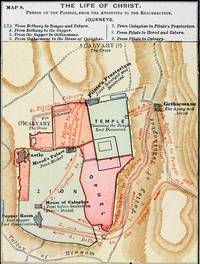 The Life of Jesus, Map 8: The Last Week in Jerusalem
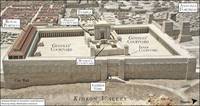 Herod's Temple Mount: a Model